
Last updated November 5, 2026
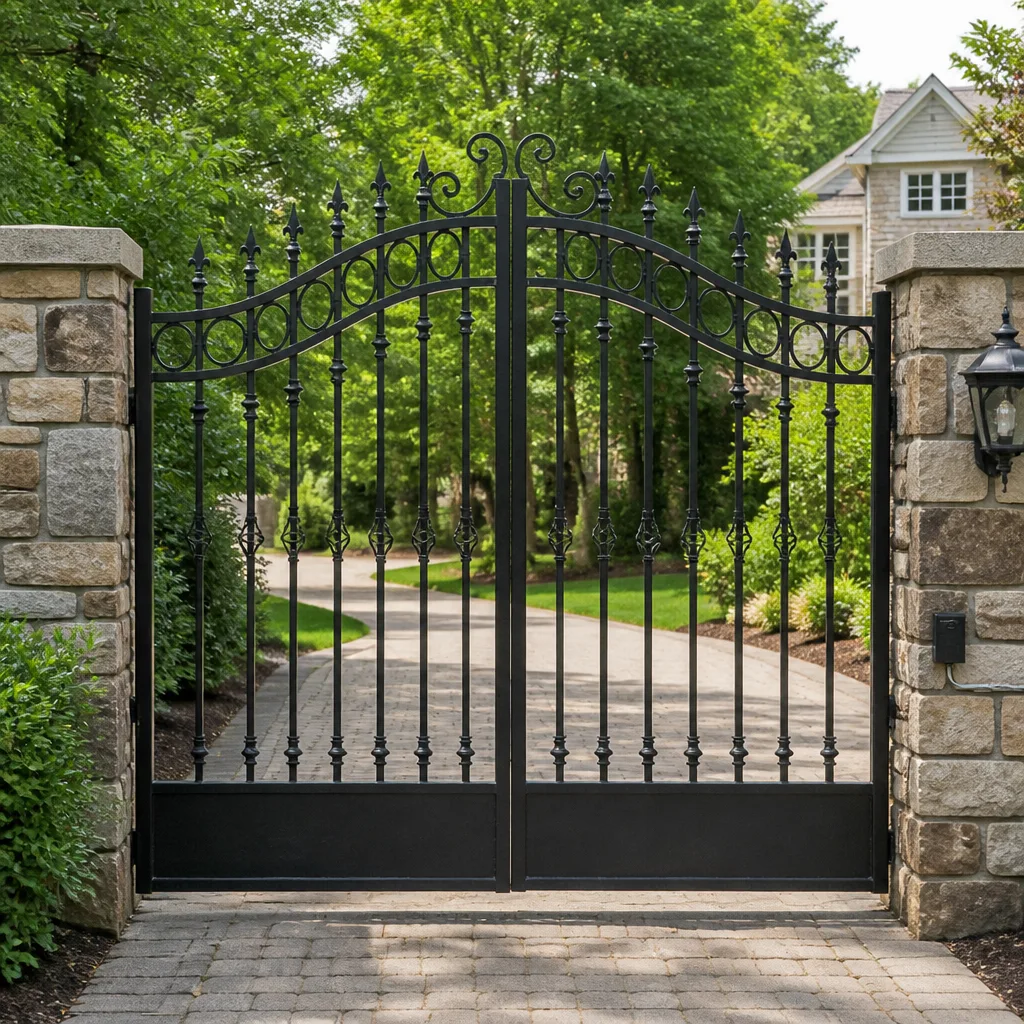 Wrought iron
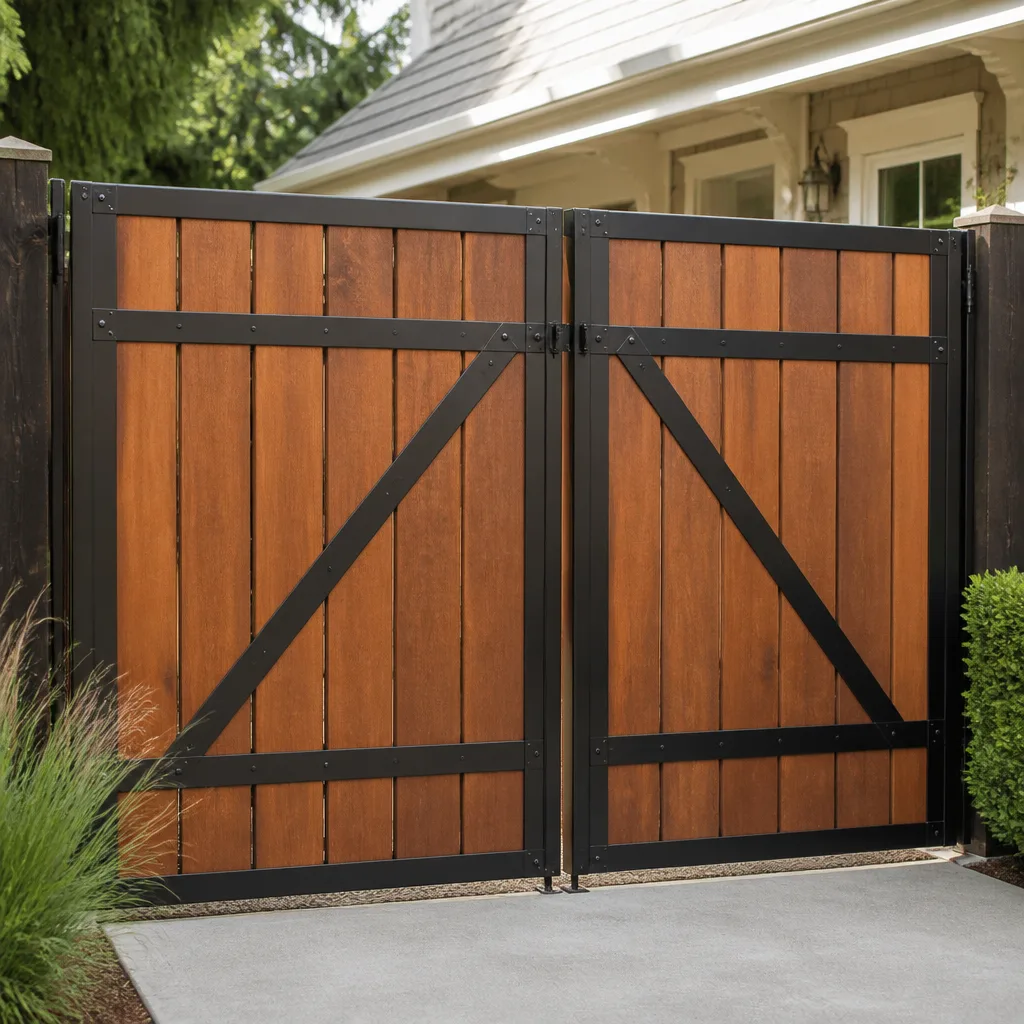 Wood & steel frame
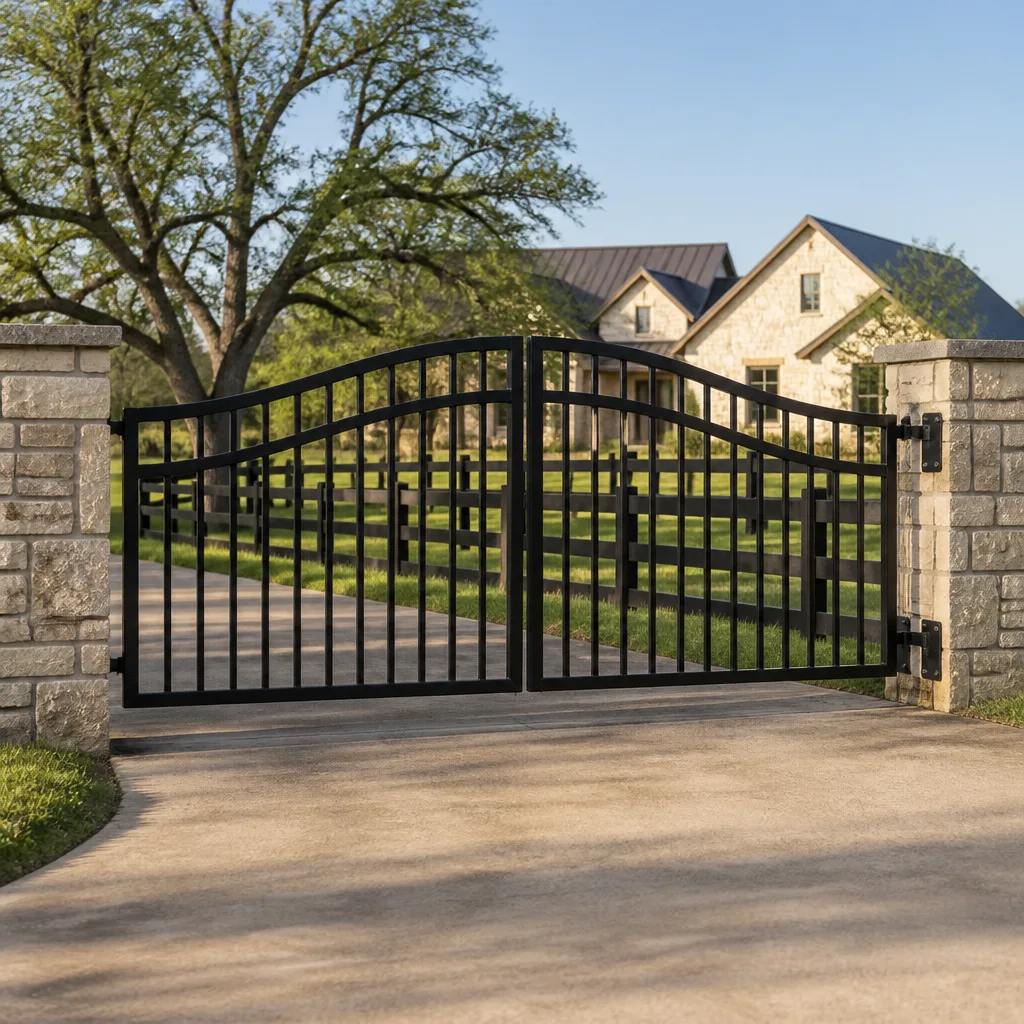 Farm & ranch
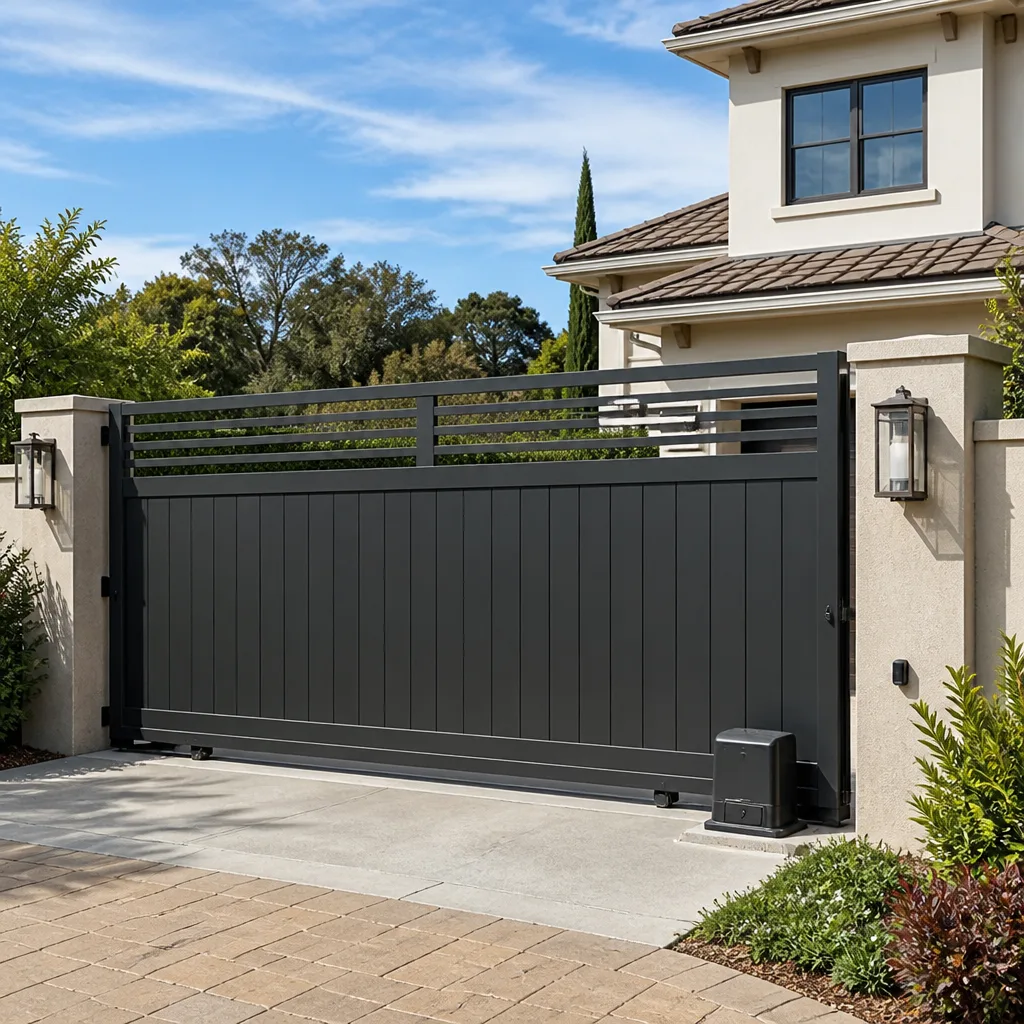 Sliding driveway gates
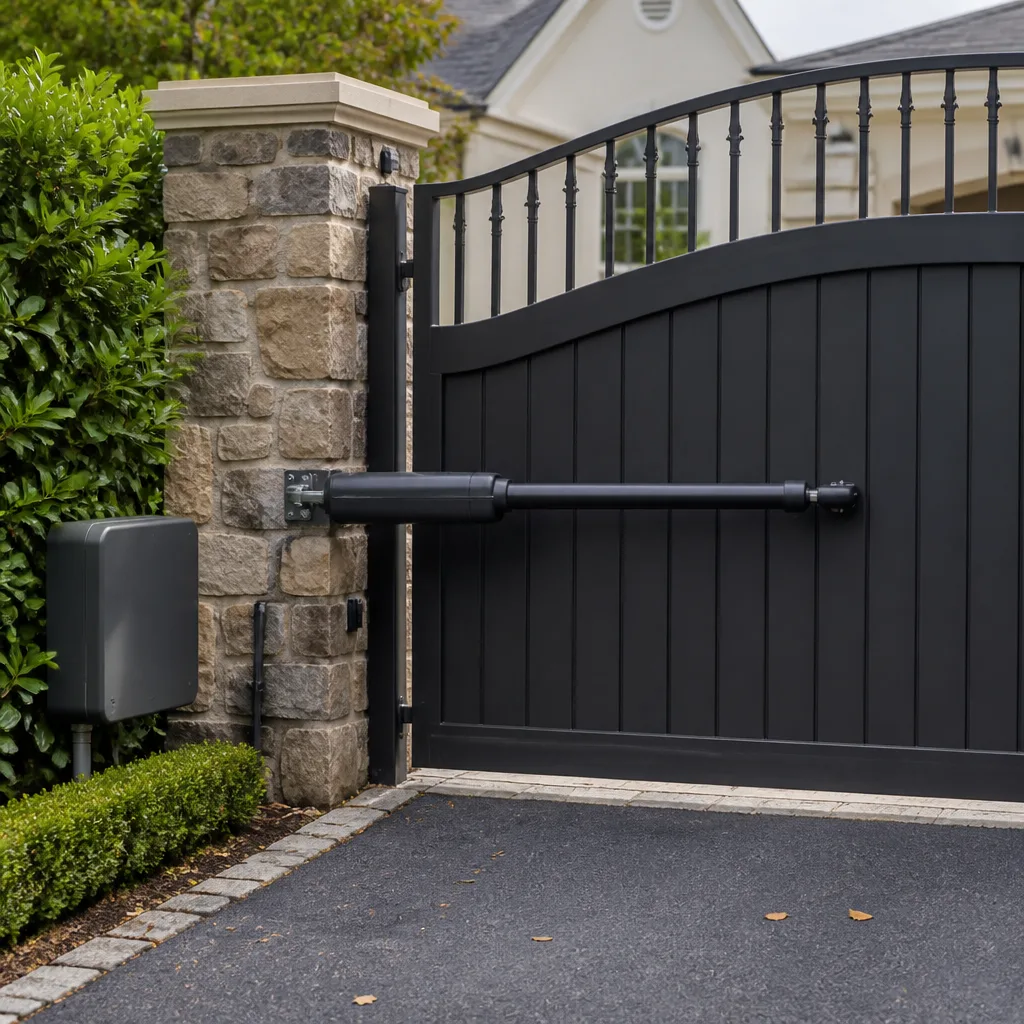 LiftMaster operators
Free on-site gate assessment - hinges, posts, and your LiftMaster or Nice gate operator checked before anything is quoted
The assessment is free and the quote is the invoice.
Get your free estimateGate Repair Warning Signs: A Redlands Homeowner’s Reference Guide
A gate that hesitates for two seconds before opening isn’t “slow” – it’s telling you the operator is working at the edge of its torque capacity. That hesitation means a failed motor, broken hinge, or misaligned track is usually six to eight weeks away. Most Redlands homeowners don’t miss the breakdown; they miss the three or four warnings that came before it. This guide walks you through every warning sign, what it sounds like, what it looks like, and how urgently you need to act.
Quick Answer
The earliest gate repair warning signs in Redlands are a two-second-or-longer hesitation before movement, a grinding or clicking sound from the operator, visible rust at weld points, and a remote or keypad that works only intermittently. Each of these is a stage-one failure signal that costs far less to fix now than it will in six to eight weeks. Ignoring them moves the repair from a hinge or sensor adjustment to a motor replacement or full operator rebuild.
Styles & brands we work with
- Wrought iron
- Wood & steel frame
- Farm & ranch
- Sliding driveway gates
- LiftMaster operators
Table of Contents
- The Three-Stage Failure Progression
- What Your Gate Is Telling You: Sound Diagnostics
- Visual Warning Signs Specific to Redlands
- Remote and Keypad Intermittency: Battery or Electrical?
- 48-Hour Action vs. Scheduled Appointment
- What Each Warning Sign Costs to Fix in Redlands
- A Monthly Gate Check You Can Do in Ten Minutes
- Common Mistakes to Avoid
The Three-Stage Failure Progression
Electric gate operators don’t fail all at once. In our experience, every operator follows the same three-stage decline: performance degradation, then fault cycling, then full failure. The timeline varies by brand and installation quality, but the progression is consistent across Mighty Mule, LiftMaster, FAAC, BFT, and every other system we work on.
Stage One: Performance Degradation
This is the stage almost everyone ignores. The gate still opens and closes, but it does so differently than it did when it was new. Look for:
- A hesitation of two seconds or more between the remote signal and gate movement
- Slower travel speed, especially in one direction
- A soft hum or whine that wasn’t there before
- The gate stopping mid-cycle and then continuing after a brief pause
- Remote range shrinking from 100 feet to 30 or 40 feet
Stage one is your best window for inexpensive repair. A technician can usually isolate the cause in a single visit, because the operator is still running – it’s just running wrong.
Stage Two: Fault Cycling
By stage two, the operator’s control board has begun detecting errors and shutting the motor down to protect itself. You’ll see the gate stop mid-travel and reverse, or fail to close fully, or open but not close. The safety sensor may trip intermittently. At this point the operator is telling you explicitly that something is wrong, but the gate still limps along for weeks or months.
Repair at this stage usually means replacing a specific component – a capacitor, a limit switch, a sensor, a hinge – rather than the whole operator. The cost is still moderate, but it’s climbing.
Stage Three: Full Failure
The gate simply stops. No movement, no hum, no response from the remote or keypad. This is the repair that gets called in as an emergency, but it was never actually sudden. It’s the endpoint of a sequence that’s been running for six to twelve weeks.
The practical takeaway: electric gate repair is cheapest and fastest at stage one. By stage three, you’re often looking at a motor replacement or full operator swap, and the price reflects that.
What Your Gate Is Telling You: Sound Diagnostics
Your gate speaks. The sounds it makes are the most reliable early warning system you have, and each sound points at a specific problem. Here’s what to listen for, whether you have a swing gate or a slide gate.
Grinding
A grinding sound from a slide gate almost always means the track has debris in it, the wheels are worn, or the chain or belt drive is misaligned. From a swing gate, grinding usually points to a failing hinge bearing or an operator gear that’s running dry. Grinding is a stage-one signal on a swing gate and a stage-two signal on a slide gate, because the slide gate’s weight makes the damage progress faster.
Clicking
A rapid clicking from the operator when you press the remote is usually electrical. It means the control board is receiving the signal and trying to activate the motor, but the motor isn’t turning. On a LiftMaster or Mighty Mule, this often means a capacitor has failed or the motor has seized. A single click, on the other hand, can simply be the relay engaging – that’s normal.
Humming
A sustained hum with no movement is the classic sound of a motor that’s getting power but can’t turn. On a swing gate, that’s often a seized gear or a hinge that’s bound so tightly the motor can’t overcome it. On a slide gate, the same sound usually indicates an obstruction, a wheel off the track, or a chain tension issue. The motor is working hard and getting hot. Don’t let it run this way.
Squealing
Squealing is friction, almost always at a pivot point. Hinges, wheel bearings, and the operator’s drive belt are the usual suspects. A squeal that starts high-pitched and deepens over weeks is metal wearing against metal. It will not self-correct, and it tells you exactly where the failure is developing.
One note on safety: electric gate operators run on line voltage and can deliver a serious shock. If you’re opening the operator cover to listen, do it with the power off – or better, let a technician do it. The diagnosis is part of the gate repair service call.
Visual Warning Signs Specific to Redlands
Redlands has a dry, warm inland climate with intense UV exposure. That shapes which failures show up first and how they look. We’ve seen enough gates in this city to know what’s typical and what’s urgent.
UV-Damaged Wiring Insulation
The sun in Redlands is relentless on plastic and rubber. Wiring that runs along a gate frame or across a post cap sits in direct sunlight for hours a day, and the insulation turns chalky, cracked, or whitened over time. Once the insulation fails, moisture can reach the copper, the circuit can short, and the operator behaves erratically. If you can see bare wire or cracking insulation, that’s a 48-hour issue. A short in a gate operator circuit can damage the control board, which is one of the most expensive single components to replace.
Rust Patterns at Weld Points
Redlands doesn’t get heavy rain, but it gets enough – and morning dew collects on metal surfaces year-round. Rust at a weld point is almost never cosmetic. Welds are stress concentrations, and rust there means the joint is weakening. This is doubly true on slide gates, where every cycle flexes the frame. A rust line at a hinge weld or a post mount should be evaluated before it becomes a crack.
Weld Fatigue Cracks
Cracks in a gate are the loudest visual warning there is. They don’t appear overnight. They start as hairline lines at the edge of a weld or where a picket meets a rail, and they grow. A cracked weld on a swing gate means the frame is flexing under its own weight. If you catch it at hairline, a welder can fix it in under an hour. If you let it go, the gate can drop, bind, and take the operator with it.
Concrete Post Heave
Redlands sits on clay-heavy soil that expands and contracts with moisture. Over the years, this moves gate posts. A post that has heaved even half an inch changes the alignment of the hinges and latch, and the operator has to work harder every cycle. Signs include a visible tilt in the post, a gap at the base of the post where it meets the concrete, and a gate that scrapes or strikes the latch plate. This is a slower-developing problem, but it’s the kind of thing that quietly destroys an otherwise healthy operator.
Remote and Keypad Intermittency: Battery or Electrical?
Intermittent operation is the warning sign that gets misdiagnosed most often. The remote works – sometimes. The keypad opens the gate – usually. It’s easy to tell yourself it’s just a low battery or some quirk of the system. Here’s how to tell the difference before you spend money on the wrong fix.
Change the Batteries First, Then Test Methodically
- Replace the batteries in one remote. Use fresh, name-brand batteries. Don’t test with the old ones still in another remote.
- Stand in the exact same spot you normally use the remote from – usually the car, on the street side of the gate. Test the gate ten times in a row, one minute apart.
- If the gate opens all ten times with the new battery, the remote was the problem. Replace batteries in all remotes.
- If the gate still hesitates or misses even once, the problem is in the gate’s receiver, antenna, or control board – not the remote.
What Keypad Intermittency Usually Means
A keypad that works only sometimes, especially in the afternoon, is often a wiring issue rather than a keypad issue. The heat of a Redlands afternoon expands the keypad housing and the wiring behind it, and a marginal connection opens just enough to fail. The same keypad may work perfectly every morning. This pattern – fine in the cool, unreliable in the heat – points to the keypad’s internal wiring or its connection to the operator. It will not fix itself.
When Intermittency Is a 48-Hour Issue
If the intermittent behavior affects the gate’s ability to close and then re-open safely – for example, the gate reverses partway through closing, or stops at random positions – treat it as urgent. A gate that doesn’t complete its cycle reliably is a safety hazard, especially if children or pets are in the yard. This is when we’d recommend calling a technician rather than continuing to troubleshoot. Gate specialists, not generalists, are the right call for a problem this specific.
48-Hour Action vs. Scheduled Appointment
Not every warning sign is an emergency, and not every warning sign can wait a month. Here’s a practical triage system for Redlands homeowners.
Act Within 48 Hours
- Bare or cracked wiring insulation – risk of short and control board damage
- Grinding from a slide gate – weight and momentum accelerate track and wheel damage
- Gate that reverses mid-cycle or fails to close – safety hazard
- Clicking with no movement – failed capacitor or seized motor, risk of motor burnout
- Hairline crack at a weld – will become a full crack under load
Schedule Within 2 to 4 Weeks
- Stage-one hesitation – the operator is working hard, but the problem is developing slowly
- Squealing hinges or bearings – friction that will worsen, but not dangerously fast
- Remote range shrink – usually an antenna or receiver sensitivity issue
- Rust at a weld point – worth evaluating, but rarely urgent on its own
- Post heave – alignment shifts over months, not days
The distinction matters. The 48-hour list is about preventing a parts failure that will cost real money. The 2-4 week list is about catching a problem before it moves onto the first list.
What Each Warning Sign Costs to Fix in Redlands
Here’s a transparent look at what these repairs typically cost when we address them early versus late. These are estimated ranges for the Redlands market; the written estimate sets the final price before any work starts.
| Warning Sign | Repair Type | Early Repair Range | Ignored: Resulting Repair Range |
|---|---|---|---|
| Hesitation / slow travel | Hinge adjustment, operator service | $150 – $300 | Motor replacement: $600 – $1,400 |
| Grinding (slide gate) | Track cleaning, wheel replacement | $180 – $350 | Track and wheel rebuild: $500 – $1,000 |
| Squealing | Bearing or hinge replacement | $120 – $280 | Frame repair and realignment: $400 – $900 |
| Clicking, no movement | Capacitor replacement | $100 – $220 | Motor or control board: $450 – $1,200 |
| Cracked weld (hairline) | Weld repair, touch-up paint | $150 – $300 | Structural rebuild: $600 – $1,800 |
| Wiring insulation cracked | Re-insulate, weatherproof junction | $120 – $250 | Control board replacement: $400 – $900 |
| Intermittent remote | Receiver or antenna repair | $100 – $200 | Full operator swap: $800 – $1,600 |
These numbers reflect the difference between a stage-one call and a stage-three call. The Gate Repair Redlands team prices each job by the written estimate, quoted and agreed before any work starts. We work on the brand you already have, so you won’t be pushed into a replacement operator to suit someone’s inventory.
A Monthly Gate Check You Can Do in Ten Minutes
Once a month, usually on a Sunday morning, run through this list. It catches most stage-one warnings before they become stage-three failures.
- Listen to one full open and close cycle. Stand near the operator. Grinding, clicking, humming, or squealing means something is changing.
- Time the gate from signal to movement. More than two seconds of hesitation is your earliest structural warning.
- Look at the weld points. Hairline cracks and rust lines are visible from three feet away if you’re looking for them.
- Inspect any exposed wiring. Chalky, cracked, or whitened insulation means UV damage has set in.
- Watch the gate clear the latch and post. Any scraping, catching, or uneven gaps point to post movement or hinge wear.
- Test the safety sensor. Wave your hand in the gate’s path during closing. It should reverse promptly.
- Note the remote range. Walk back from the gate while testing the remote. A shrinking range is an early electrical signal.
Ten minutes a month. That’s the difference between a hinge adjustment and a motor replacement, and it’s the entire point of this guide.
Common Mistakes to Avoid
- Replacing the remote batteries without checking other remotes. If all remotes fail at the same distance, the problem is the receiver, not the batteries. You’ll buy new remotes and the gate will still hesitate.
- Lubricating the gate to mask a grinding sound. Grease quiets a symptom without fixing the cause. The underlying wear continues, and now it’s lubricated while it gets worse.
- Ignoring a gate that “fixes itself.” A gate that works fine in the morning but acts up in the afternoon isn’t fixed – it’s heat-sensitive. The problem is still there and will be back tomorrow at 2pm.
- Leaving the operator cover off after a battery change or inspection. In Redlands, direct sun on a control board will degrade it faster than almost any other factor. The cover is there for a reason.
- Assuming a cracked weld can wait until the gate actually breaks. The crack is the break, just slow-motion. Every cycle flexes it wider, and the repair cost climbs with the crack length.
- Welding the gate yourself without disconnecting the operator. Welding current travels through the frame and can destroy the control board. The operator must be isolated first. This is a standard part of professional repair.
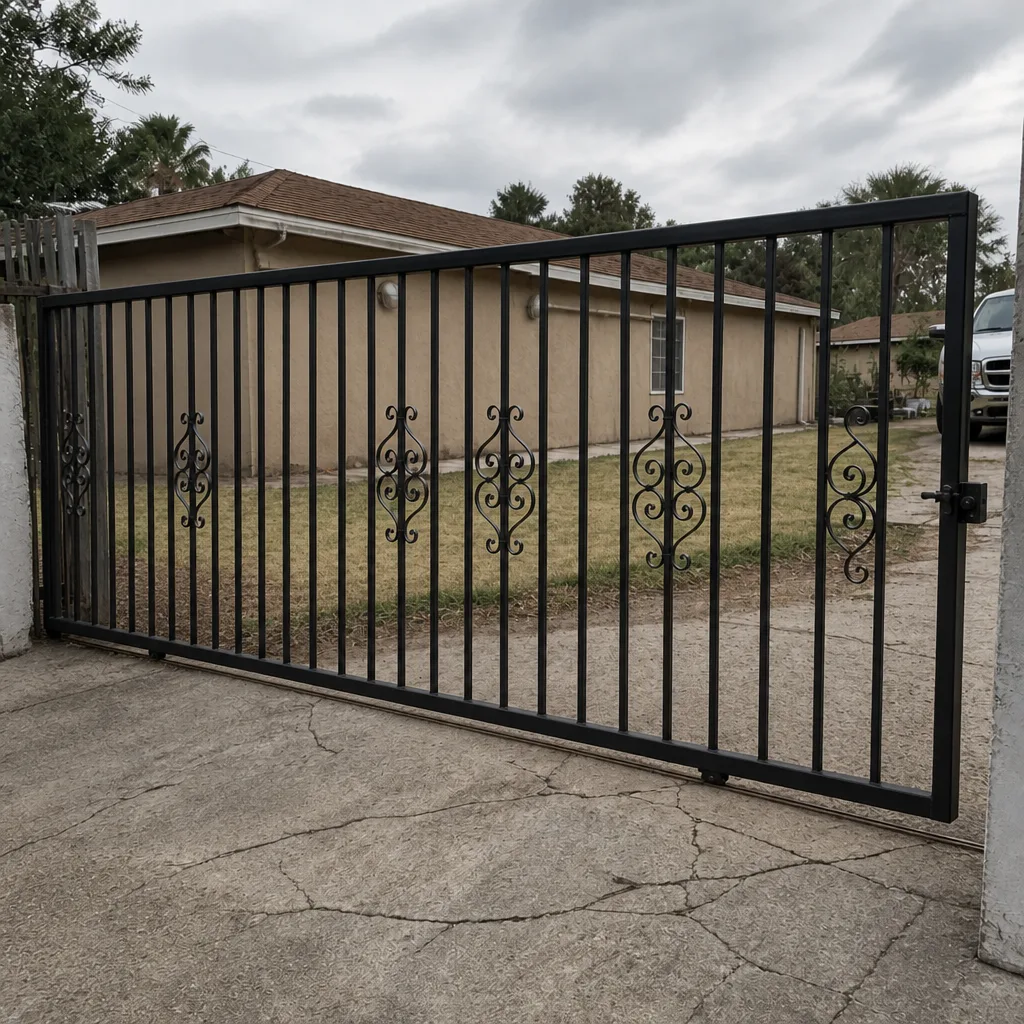
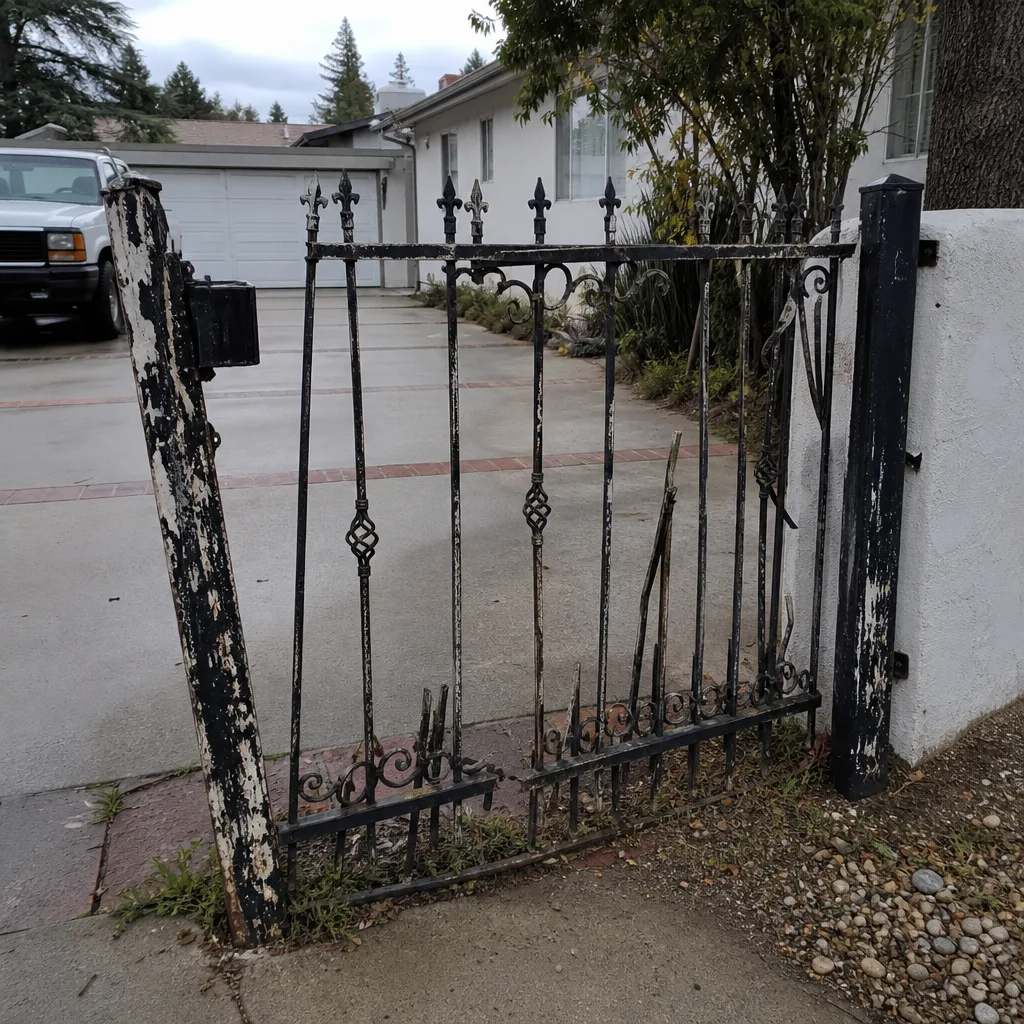
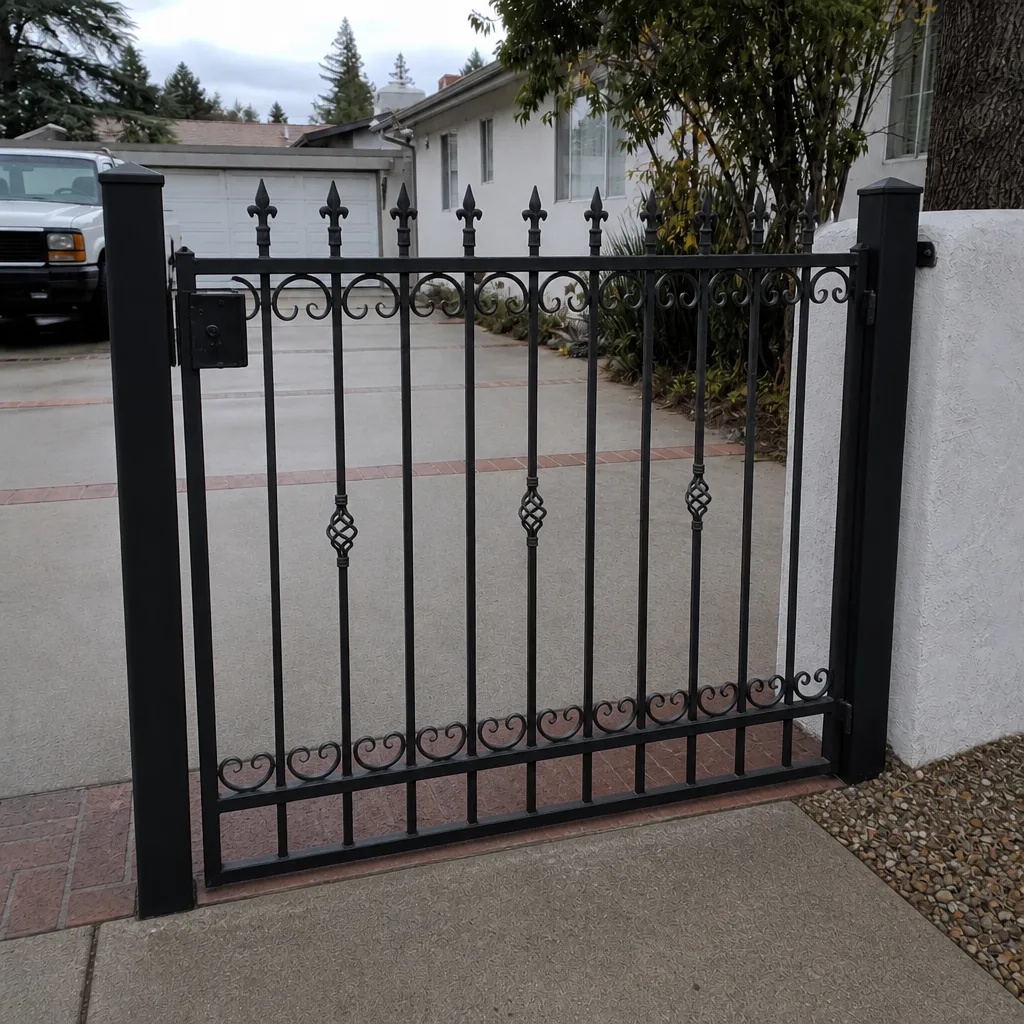
See the difference
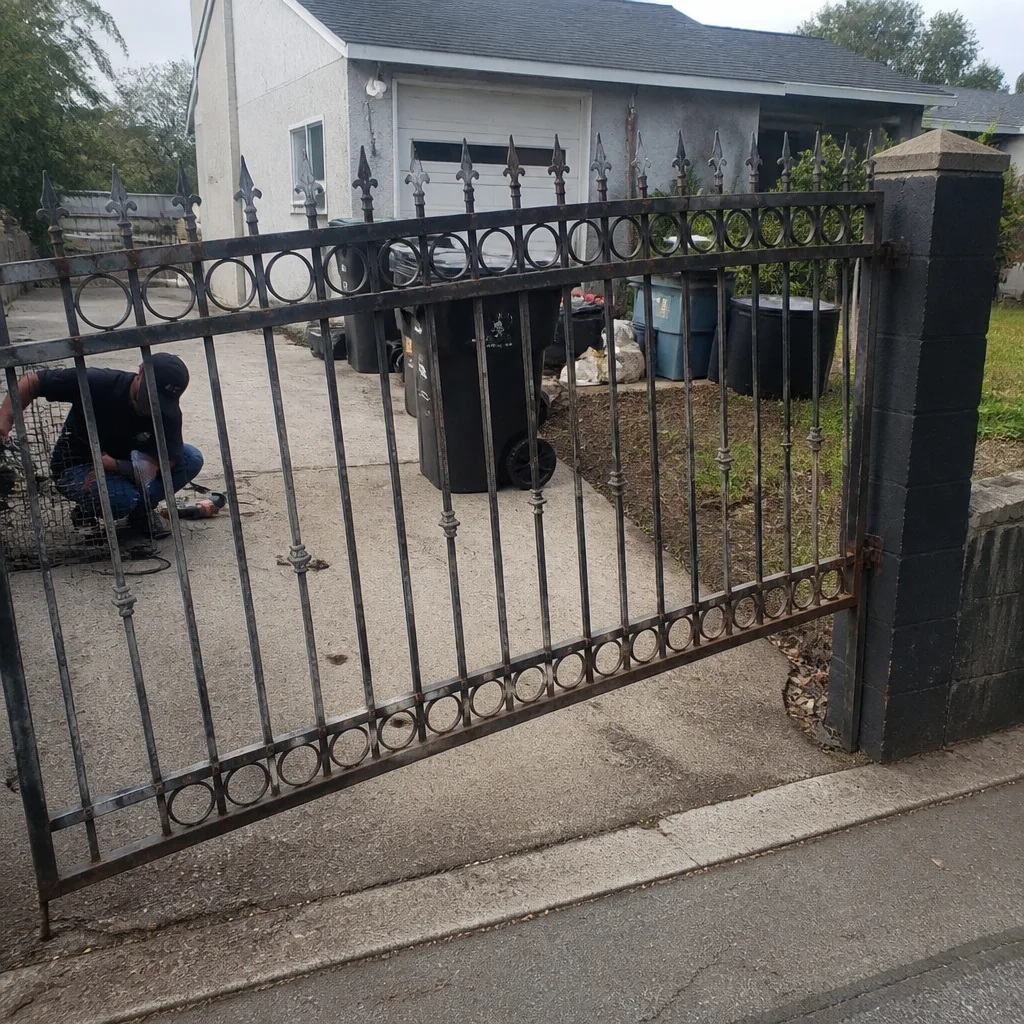 Before
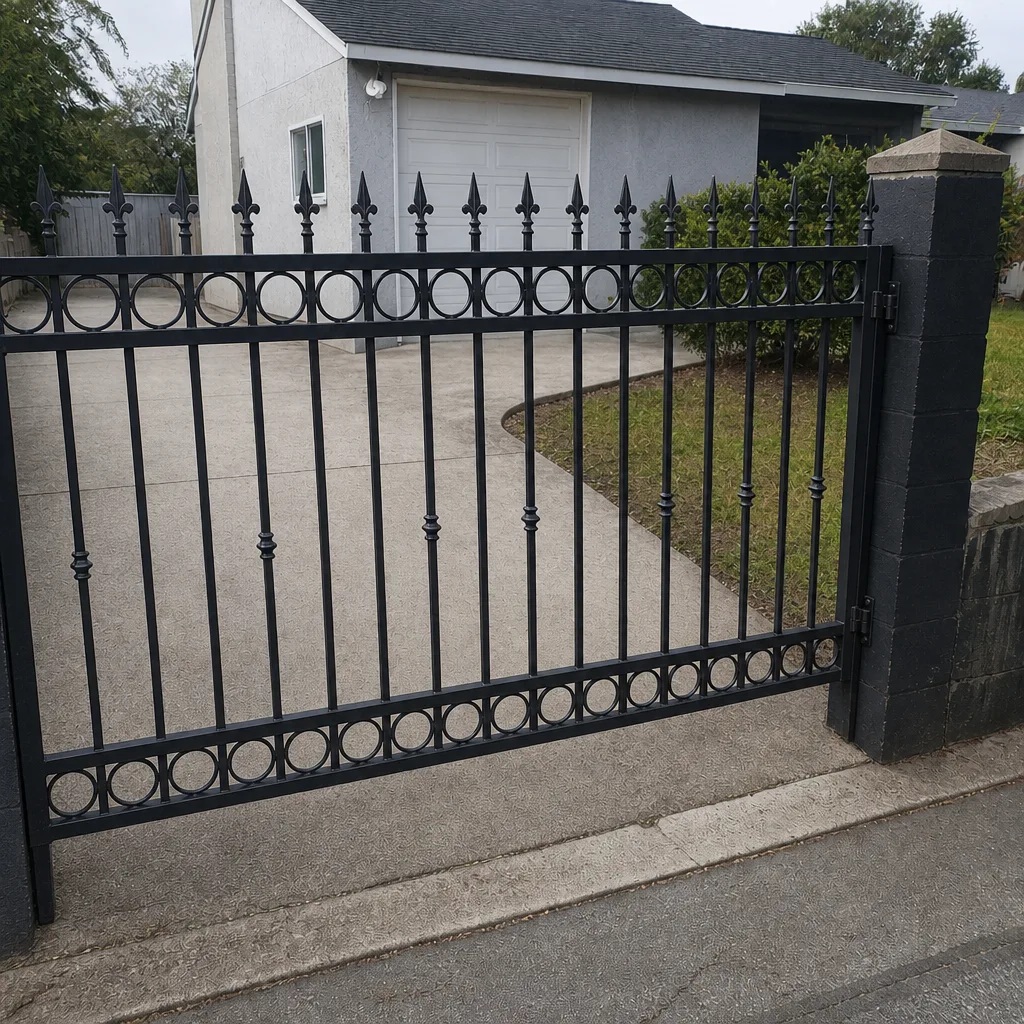 After
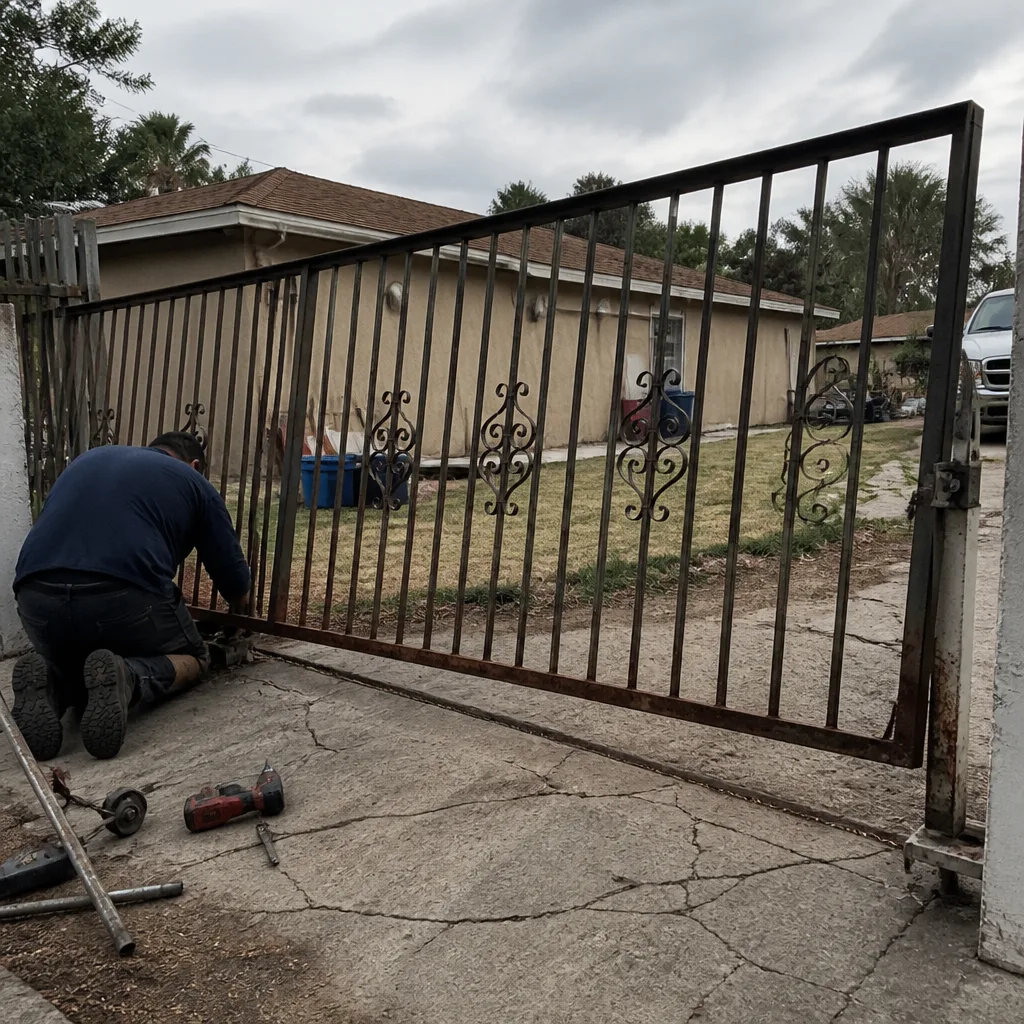 Before
 After
 Before
 After
When to Call a Professional
You don’t need to identify the exact failing part before you call. You need to know that the gate is warning you, and you need someone who can translate the warning into a specific repair. If you hear grinding, clicking, or humming; if the gate hesitates, reverses mid-cycle, or stops responding; if you see cracked welds, rust at joints, or damaged wiring – call rather than continue diagnosing. The technician’s job is the diagnosis. Yours is the decision to act before the repair goes from a $200 fix to a $1,200 replacement. Gate Repair Redlands offers free estimates in Redlands – call (844) 405-5765. We answer 24/7. Fast dispatch from 7am to 7pm, Sunday through Friday.
Frequently Asked Questions
Most gate repairs in Redlands fall between $120 and $400 when caught at the warning-sign stage, which covers hinge replacements, capacitor swaps, track adjustments, and wiring repairs. Motor replacements, control board replacements, and structural weld repairs run $450 to $1,800 depending on the system. Every job is priced by written estimate before work starts. Call (844) 405-5765 for an exact quote – estimates are free.
Yes, in most cases. We dispatch from 7am to 7pm, Sunday through Friday, and many repairs that are caught early can be completed in a single visit. A stage-one warning sign like a grinding hinge or a cracked weld is usually a one-visit fix. Call (844) 405-5765 and we can tell you what’s realistic based on what you’re seeing and hearing.
Swing gates fail at the hinges, the operator arm, and the weld points, and warning signs show up as squealing, hesitation, and visible wear at the pivot. Slide gates fail at the track, the wheels, and the chain or belt, and warning signs show up as grinding, rolling resistance, and a gate that moves unevenly. Slide gates also carry more momentum, so stage-one damage becomes stage-three faster. Both systems give clear warnings before they stop working.
Yes – intermittent operation is the most dangerous warning sign of all because it’s easy to dismiss. In Redlands, heat-related intermittency is common: the gate works in the morning and fails in the afternoon sun. The cause is usually a marginal electrical connection or a failing sensor, and it will degrade into consistent failure. Ignoring it risks the gate failing mid-cycle, which is a safety hazard.
Resetting an operator clears the stored fault code and can sometimes restore function temporarily, but it does not fix the underlying problem. If the gate needed a reset, something triggered the fault. The issue will return, usually sooner than it appeared the first time. Instead of resetting repeatedly, have the fault read and the cause addressed. The diagnosis is part of the repair visit.
In Redlands’ dry heat and strong UV, an electric gate operator typically lasts 8 to 12 years before major repairs or replacement. UV exposure on wiring and control boards shortens that lifespan compared to coastal or temperate markets. A Mighty Mule, LiftMaster, or FAAC operator that’s been properly maintained can exceed 12 years; one that’s been ignored through stage-one and stage-two warnings may need replacement at 6 or 7. Regular attention is the single biggest factor.
The Bottom Line
Gate failure isn’t sudden. It’s a sequence of warnings, and Redlands homeowners who learn to read them will spend a fraction of what the neighbors spend on the same gate. The hesitation, the click, the hum, the hairline crack, the cracked wiring – each one is the gate telling you something specific, and each one has a repair that costs less today than it will in two months. Listen once a month. Act when you hear it. Call when you’re not sure. That’s the whole playbook, and it’s the cheapest gate insurance you’ll ever buy.
Written by the team at Gate Repair Redlands, serving Redlands since 2018.