
Last updated November 5, 2026
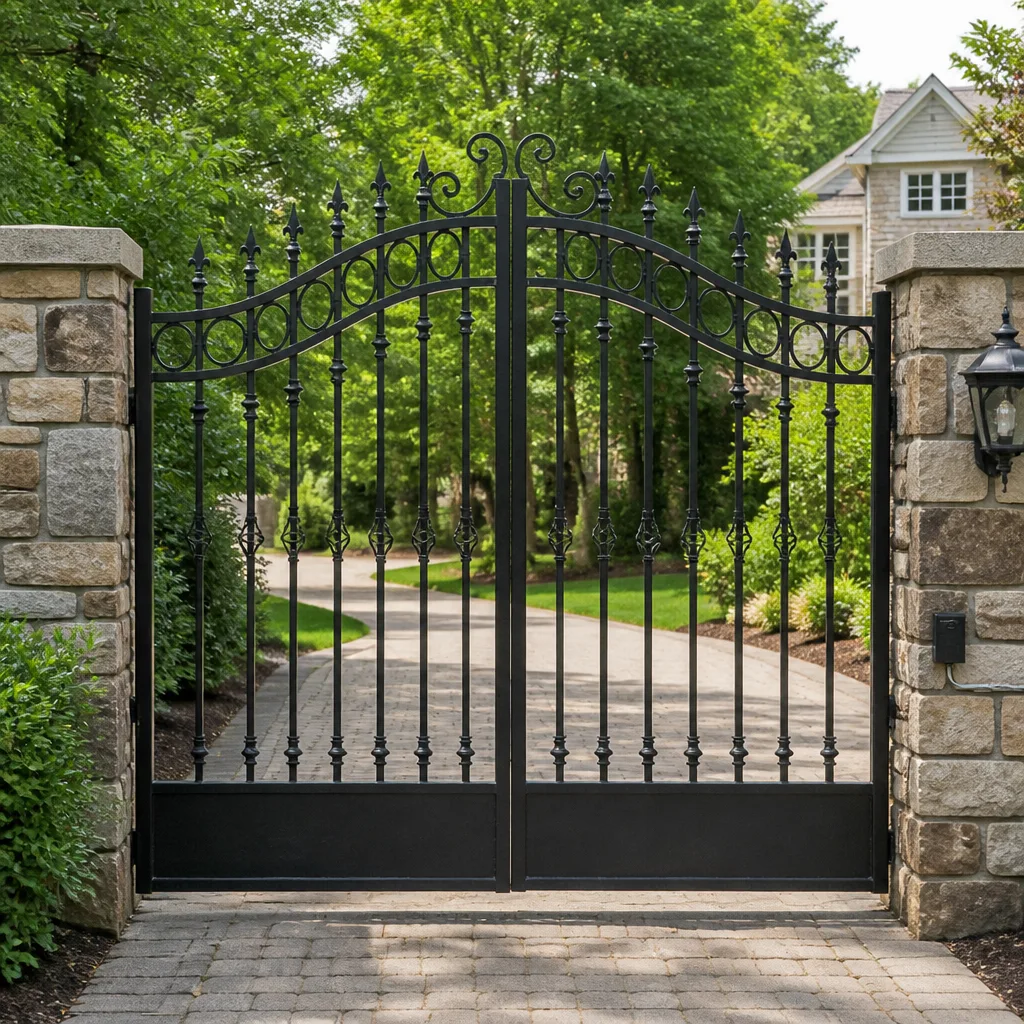 Wrought iron
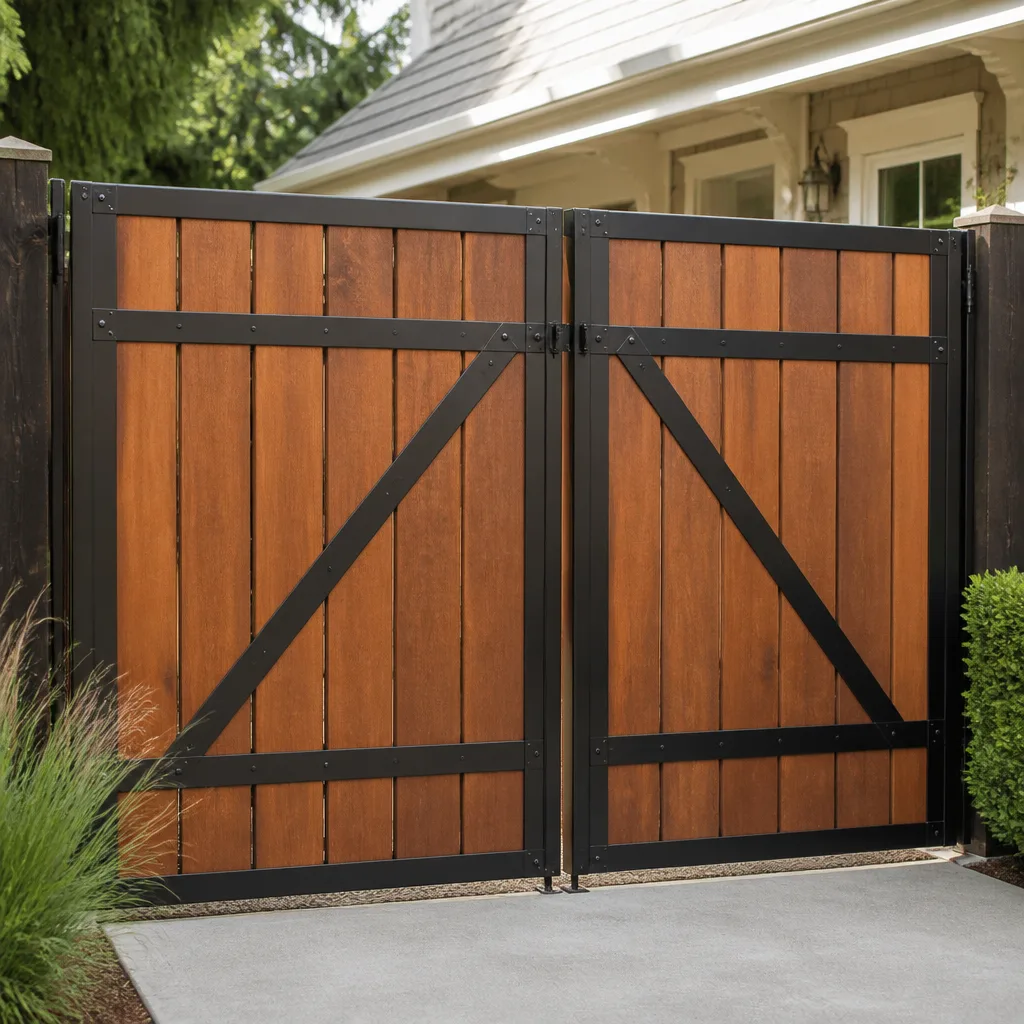 Wood & steel frame
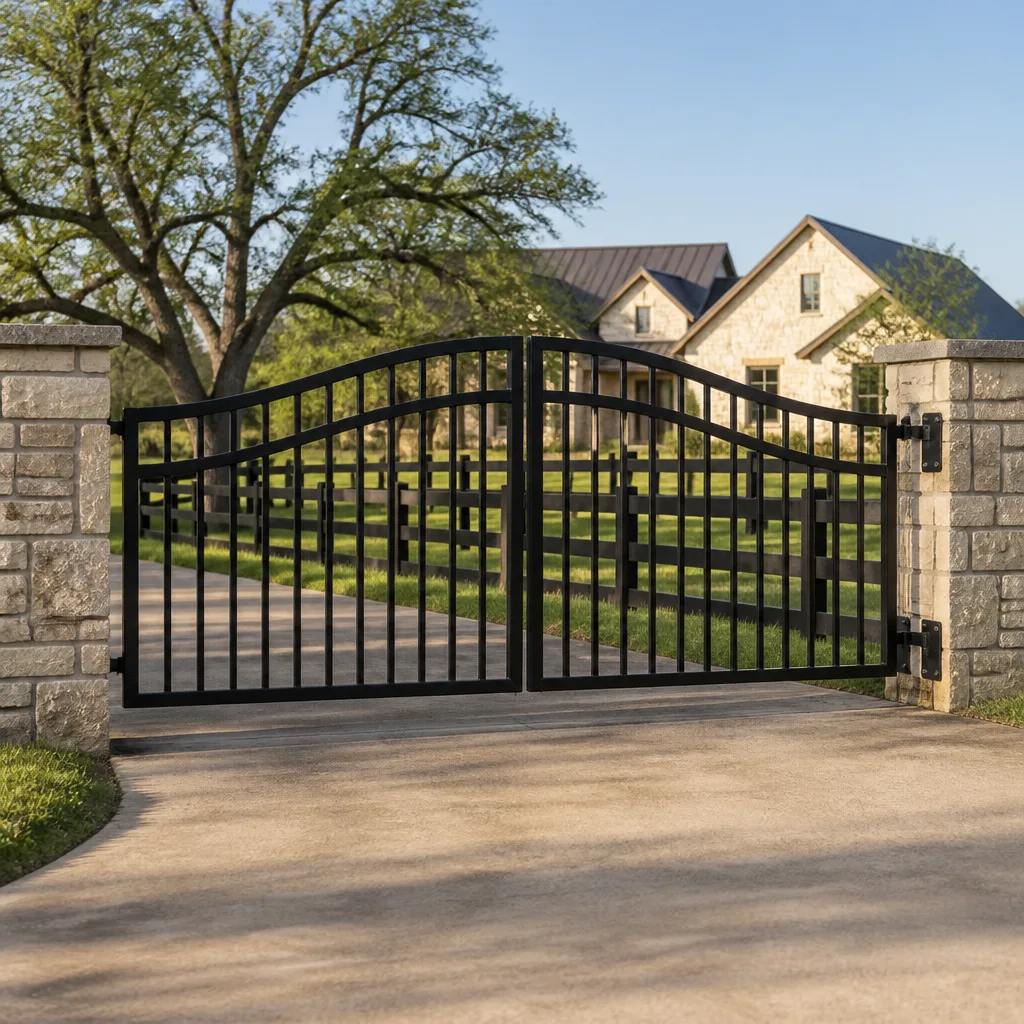 Farm & ranch
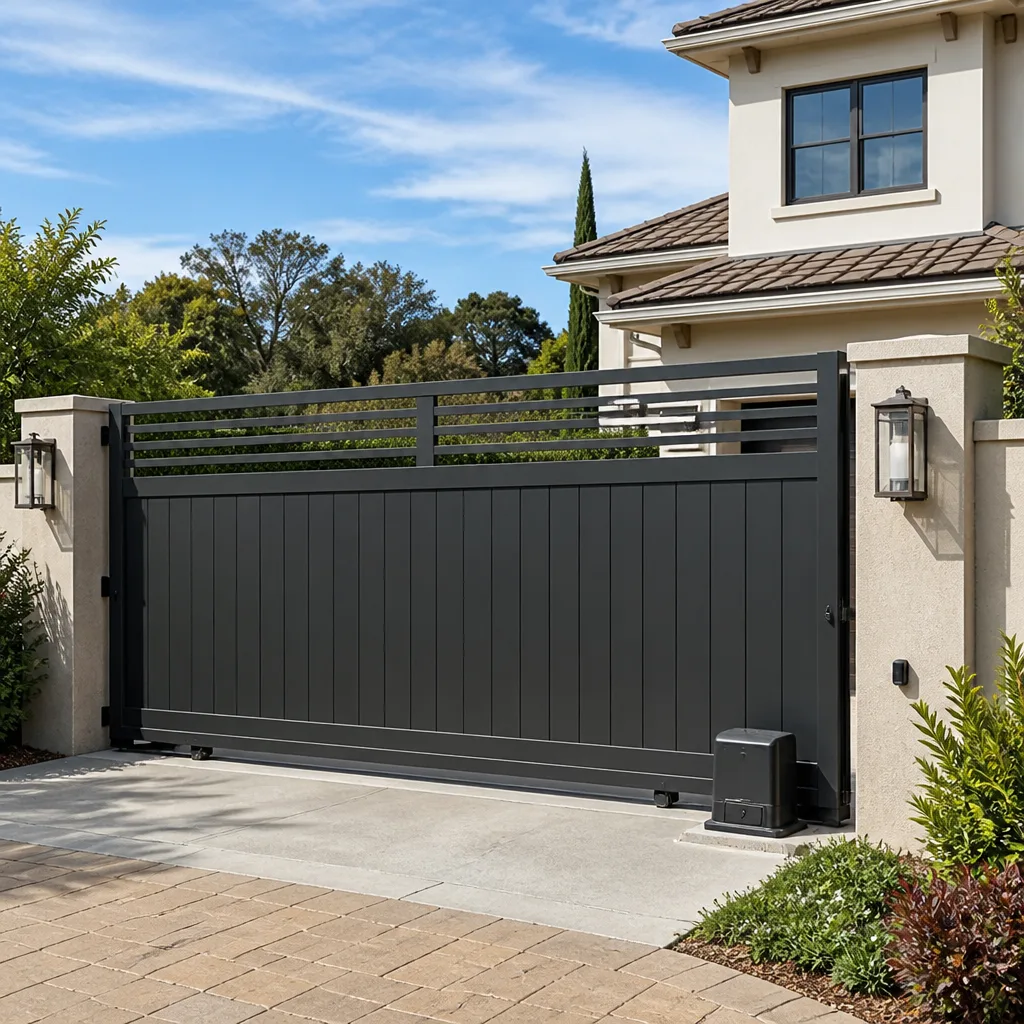 Sliding driveway gates
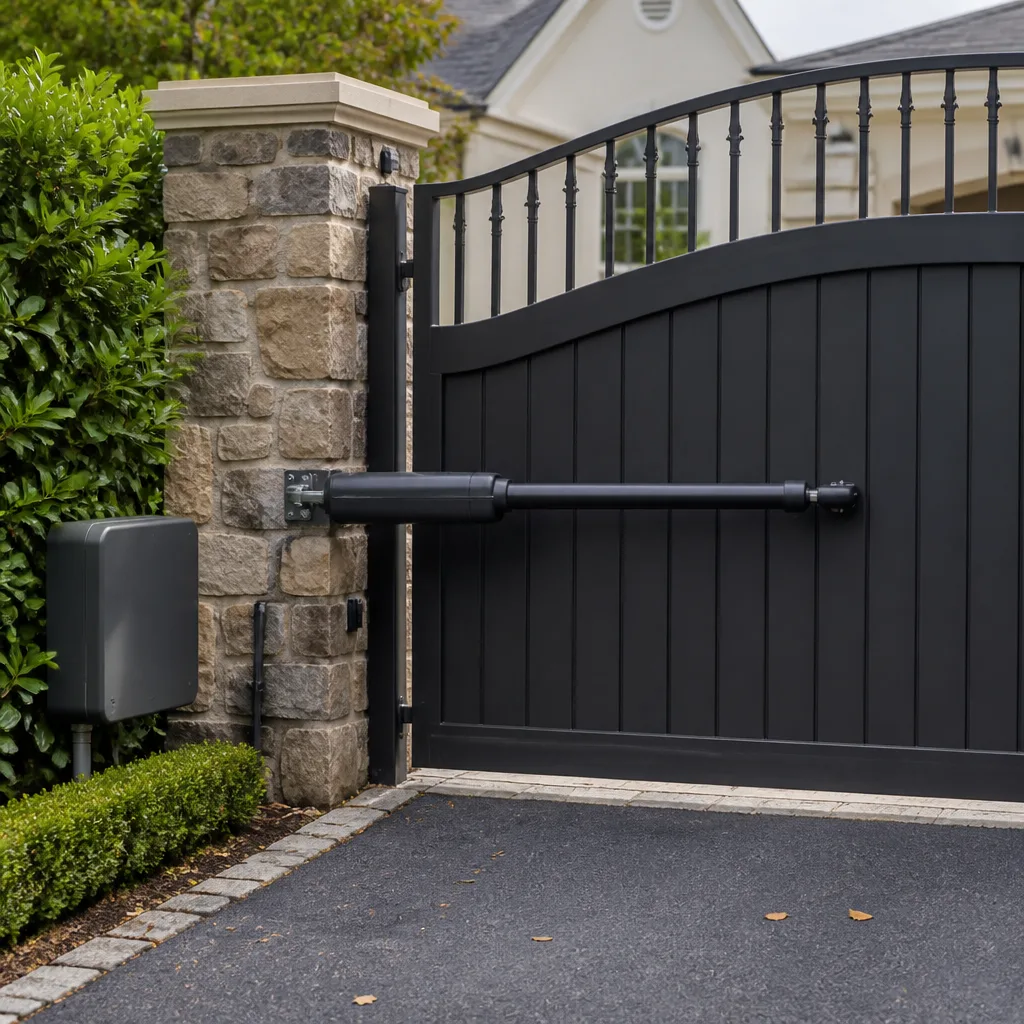 LiftMaster operators
Free on-site gate assessment - hinges, posts, and your LiftMaster or Nice gate operator checked before anything is quoted
The assessment is free and the quote is the invoice.
Get your free estimateGate Repair Permits, Codes & Inspections in Redlands, CA: What You Need to Know
Most homeowners in Redlands assume any work on a gate needs a permit. Truth is, the majority of gate repairs we handle never require one. But the line between a repair and an alteration under California building code is thinner than most people realize, and crossing it without the right paperwork can surface at the worst possible moment: escrow, a refinance appraisal, or an insurance claim. This guide draws that line clearly so you know exactly when to call the city, when to call us, and when to do nothing at all.
Quick Answer
Gate repair in Redlands rarely requires a permit when you’re fixing or replacing existing components like hinges, sensors, or control boards. Permits typically come into play when you replace an entire gate, alter the structure, or upgrade an electric operator to a higher-voltage system. When in doubt, ask the City of Redlands building department before work starts, not after.
Styles & brands we work with
- Wrought iron
- Wood & steel frame
- Farm & ranch
- Sliding driveway gates
- LiftMaster operators
Table of Contents
- Repair vs. Alteration: Where the Permit Line Actually Is
- When Redlands Requires a Permit for Gate Work
- UL 325 Safety Standards and Why They Matter
- HOA Overlay Rules in Redlands Communities
- Like-for-Like Replacement: What It Means Under Code
- How to Pull a Permit for Gate Work in Redlands
- What Inspectors Actually Look For
- Common Mistakes to Avoid
Repair vs. Alteration: Where the Permit Line Actually Is
The California Building Code draws a distinction between work that maintains a structure and work that changes it. Maintaining is a repair. Changing is an alteration. That sounds simple until you apply it to a gate system, where a single component swap can sit on either side of the line depending on what’s being swapped and why.
A repair restores something to its original condition or function. You replace a worn hinge with the same type. You swap a failed control board for an equivalent model. You re-align a sagging gate panel. You weld a cracked joint. None of that triggers a permit in Redlands because the gate remains what it was: same structure, same operation, same electrical draw.
An alteration changes what the gate is or what it does. You convert a manual swing gate to an automated opener. You upgrade from a 12-volt operator to a 120-volt system that requires new wiring. You widen the driveway opening and install a larger gate. You add a pedestrian gate where none existed. That’s when the City of Redlands wants to know about it.
The practical takeaway: ask yourself whether the gate will function differently after the work than it did before. If the answer is no, you’re almost certainly in repair territory. If yes, check with the building department. We’ve worked on gates throughout Redlands where the difference between a $300 repair and a $3,000 permitted installation came down to one question the homeowner never thought to ask.
For most gate repair jobs, the permit question never comes up. It’s when automation enters the picture that the paperwork starts.
When Redlands Requires a Permit for Gate Work
Redlands follows the California Building Code with local amendments adopted by the City Council. The code doesn’t have a single chapter titled “gates.” Instead, gate work falls under several overlapping sections covering electrical, structural, and zoning requirements.
Here are the situations where a permit is typically required:
- New electrical service to a gate operator. If the operator needs a dedicated circuit, a new conduit run, or a voltage higher than the previous system, the electrical portion requires a permit and inspection.
- Replacing a manual gate with an automated one. This changes the gate from a structure to a machine, bringing it under electrical and safety code requirements.
- Structural changes to the gate or posts. Widening the opening, installing new footings, or changing the gate material from aluminum to steel all constitute alterations.
- New gates in a different location. Moving a driveway gate or adding a side-yard pedestrian gate can affect setbacks and easements, which triggers zoning review.
- Column or pilaster construction. Adding masonry columns to support a gate requires structural review, especially if they exceed certain heights.
What doesn’t need a permit: replacing a motor on an existing operator, swapping sensors, fixing wiring, adjusting limit switches, and most hardware repairs. The key distinction is that these components restore existing function rather than creating new systems.
If you’re not sure whether your job crosses the line, call the City of Redlands Development Services Department and describe the work. They’ll tell you what they need. Better to spend ten minutes on the phone than discover an unpermitted alteration during escrow.
UL 325 Safety Standards and Why They Matter
UL 325 is the safety standard that governs automated gate systems in the United States. It sets requirements for entrapment protection, sensor placement, force limits, and warning signage. If you have an electric gate in Redlands, UL 325 compliance is not optional: it’s the baseline for a legal, insurable installation.
Here’s what UL 325 requires for automated gates:
- Entrapment protection devices. Every automated gate must have at least two independent systems to prevent a person or vehicle from being pinned. This can include photoelectric sensors, contact edges, and inherent motor force limiting.
- Force settings. The operator must be set to reverse or stop when it encounters resistance within specified force thresholds. A gate that keeps pushing against an obstruction is non-compliant and dangerous.
- Warning signage. Automated gates need visible signs identifying the gate as an automatic system and warning against pedestrian use of vehicle gates.
- Control placement. Manual controls must be positioned so no one can reach through the gate to operate them and risk getting trapped.
The liability angle matters more than most homeowners in Redlands realize. If an automated gate injures someone and the installation was not UL 325 compliant, the property owner faces significantly higher exposure in a lawsuit or insurance claim. Homeowners insurance policies often ask about gate safety compliance when a loss occurs.
When we handle electric gate repair on systems from brands like Viking, Ghost Controls, DoorKing, and Elite, we verify safety sensor operation as part of the diagnosis. A gate that opens and closes isn’t necessarily a safe gate. We’ve seen systems where the sensors had been disconnected for months and the owner had no idea because the gate still cycled normally.
HOA Overlay Rules in Redlands Communities
City code is only one layer. Many Redlands neighborhoods operate under homeowners association covenants that add a second, often stricter set of requirements for gate work. Several communities along Sunset Drive, in the South Redlands historic district, and in planned developments near the University of Redlands have architectural review committees with authority over visible exterior changes.
An HOA can restrict:
- Gate height and material. Even if the city allows a six-foot steel gate, your HOA may cap height at four feet or require materials consistent with the neighborhood’s character.
- Automation itself. Some HOAs prohibit automatic gates in certain configurations due to traffic patterns or shared driveway easements.
- Color and finish. Wrought iron finishes, powder coat colors, and ornamental details often need committee sign-off.
- Operator location. Where the motor, control box, and keypad sit can trigger design review if visible from the street.
The order of operations matters. Get HOA approval before applying for a city permit. An HOA that rejects your proposed gate makes the permit process moot until you revise the plans. We’ve helped property managers in Redlands navigate this sequence dozens of times, and the most common mistake is starting with the wrong authority.
If you live in a newer development or a gated community, check your CC&Rs first. They typically require written approval for any gate change, sometimes including repairs that alter appearance.
Like-for-Like Replacement: What It Means Under Code
The phrase “like-for-like” appears in permit discussions all the time, but it’s not a formal code term. It’s shorthand for a concept the California Building Code expresses through the repair exemption: replacing a component with one that’s functionally and electrically equivalent to the original.
Here’s how that applies to gates:
- A 12-volt operator swapped for another 12-volt operator is like-for-like. Same voltage, same function, no permit needed.
- A 12-volt operator replaced with a 24-volt or 120-volt model is not like-for-like. The electrical demand changes, and the city may require a permit for the new circuit.
- Replacing a controller board with the same model is like-for-like. The system behaves identically after the swap.
- Swapping a sliding gate operator for a swing gate operator on a converted gate is not like-for-like. The entire gate operation changes, which triggers code review.
The sales inspection scenario is worth understanding. A Redlands homeowner who replaced a failed operator with a higher-voltage unit years ago can discover at escrow that the work was never permitted. The title company pulls city records, finds no permit for the electrical alteration, and the sale stalls until the work is retroactively permitted and inspected. That retroactive process almost always costs more than the original permit would have.
When we diagnose a failed operator on a Gate Repair Redlands service call, we check the existing voltage and electrical setup before recommending a replacement. If a like-for-like swap keeps you out of the permit process, that’s usually the cleaner path. If an upgrade serves you better long-term, we’ll tell you what the city requires before we touch a wire.
How to Pull a Permit for Gate Work in Redlands
If your gate project does require a permit, the process in Redlands is manageable if you know the steps and prepare the right information.
- Confirm the scope. Write down exactly what you’re doing: gate dimensions, operator voltage, power source location, sensor placement, and any structural changes to posts or footings.
- Check HOA approval. Get written sign-off from your association first if you live in a governed community. The city doesn’t require it, but you’ll want it before spending on plans.
- Prepare a simple site plan. A hand-drawn diagram showing the gate location, driveway width, setback from property line, and proposed electrical run is usually sufficient for a residential gate.
- Submit to the City of Redlands. The Development Services Department accepts residential permit applications for gate work over the counter or online, depending on project complexity. Expect to provide the operator’s spec sheet if automation is involved.
- Pay the permit fee. Fees scale with project value and electrical scope. A simple operator permit costs less than a full gate replacement with new footings.
- Schedule inspections. Most gate projects need a rough inspection (for electrical conduit and footings before concrete) and a final inspection (for the complete, operating system).
The timeline matters. A straightforward operator replacement permit can be issued in days. A project involving structural changes or zoning review can take a few weeks. Plan ahead if you’re working against an escrow deadline or a security concern.
We’ve walked Redlands property owners through this process often enough to know that the paperwork isn’t the hard part. The hard part is knowing what the city needs to see, and the most common delay is missing detail on the first submittal. A complete application sails through.
What Inspectors Actually Look For
City inspectors aren’t trying to fail your gate project. They’re checking for specific code compliance items. Know what they look for and you’ll pass on the first visit.
For a rough electrical inspection of a gate operator:
- Conduit depth and type. Underground wiring from the house to the gate must be in approved conduit at the correct depth. Shallow or direct-buried wire fails inspection.
- Circuit and breaker sizing. The operator must be on an appropriately sized circuit with the correct breaker. Undersized wiring is a common failure point.
- Footing depth and reinforcement. Gate posts must sit in footings deep enough for stability. The inspector will want to see the excavation before concrete is poured.
For a final inspection:
- UL 325 safety devices. The inspector will test sensors, force settings, and entrapment protection. If the gate can push against resistance without reversing, it fails.
- Warning signage. Automated gates need the required safety signs visible on both sides.
- Grounding and bonding. The operator and any metal components need proper electrical grounding.
- Operation from controls. The inspector will cycle the gate from every control point: keypad, remote, and manual release.
A gate that passes city inspection is a gate that works the way it’s supposed to. We’ve seen plenty of installations that operated fine for years but would have failed an inspection because the safety sensors were never properly aligned or the force settings were cranked up to overcome a misaligned track. The inspection process exists to catch exactly those shortcuts.
Common Mistakes to Avoid
- Assuming every gate job needs a permit. The opposite problem is more common in Redlands: homeowners who skip work that genuinely doesn’t need city review, or worse, pay a handyman a “permit fee” for a job that never required one. Know the line before you write a check.
- Upgrading an operator without checking voltage. A higher-voltage operator changes your electrical scope. If you’re planning an upgrade, verify what the new system draws before installation so you don’t create an unpermitted alteration.
- Ignoring HOA requirements. City approval doesn’t override your CC&Rs. A gate that satisfies Redlands code can still violate association rules, and HOAs have their own enforcement tools.
- Skipping UL 325 safety checks on existing gates. Older automated gates often predate current safety standards or have degraded sensors. You own the liability for a non-compliant system even if you didn’t install it.
- DIY electrical work on gate operators. Running new circuits without a permit and inspection creates exactly the kind of unpermitted alteration that surfaces at escrow. The savings rarely justify the closing delay.
- Waiting until after installation to ask about permits. Retroactive permitting costs more and takes longer. Ask the question before work starts, every time.
- Treating all gate brands as interchangeable. A DoorKing operator has different electrical and safety requirements than a Mighty Mule. Brand familiarity matters when you’re navigating code compliance for the system you actually own.
See the difference
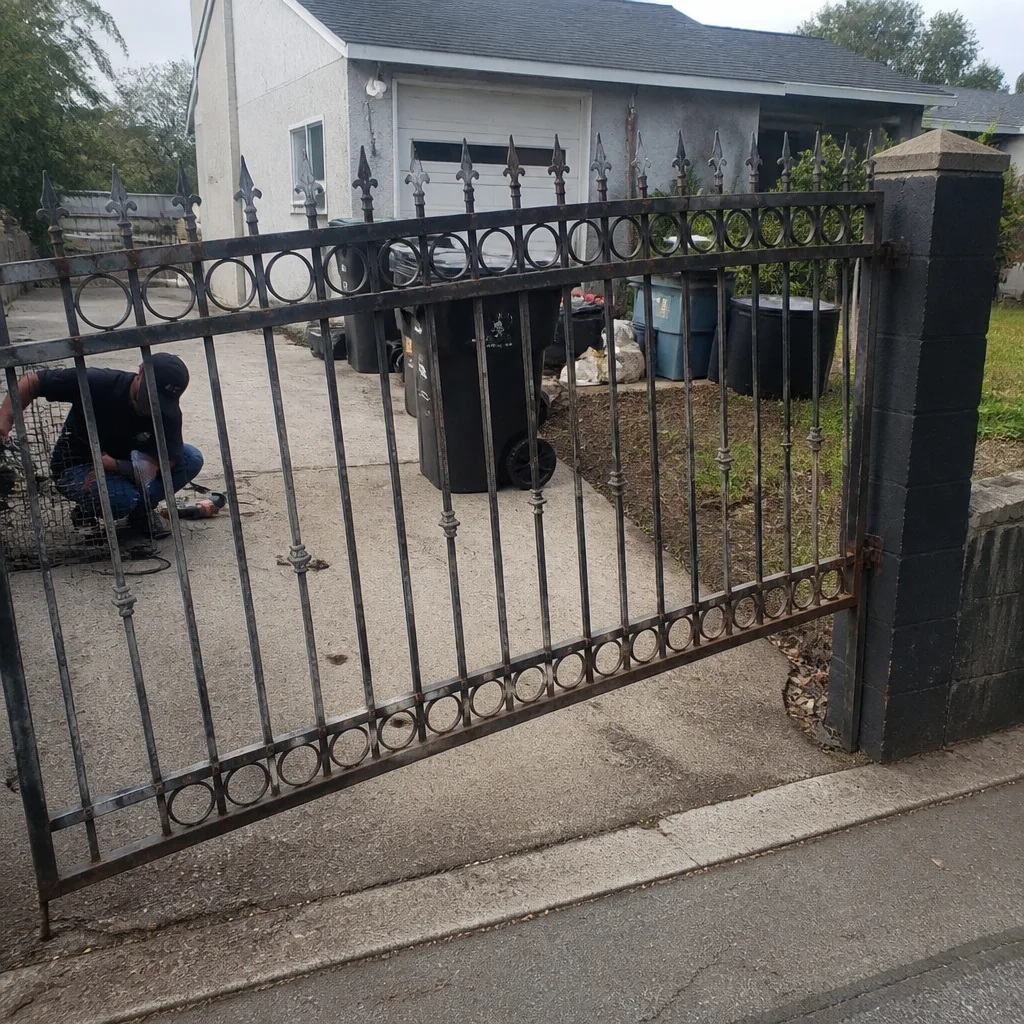 Before
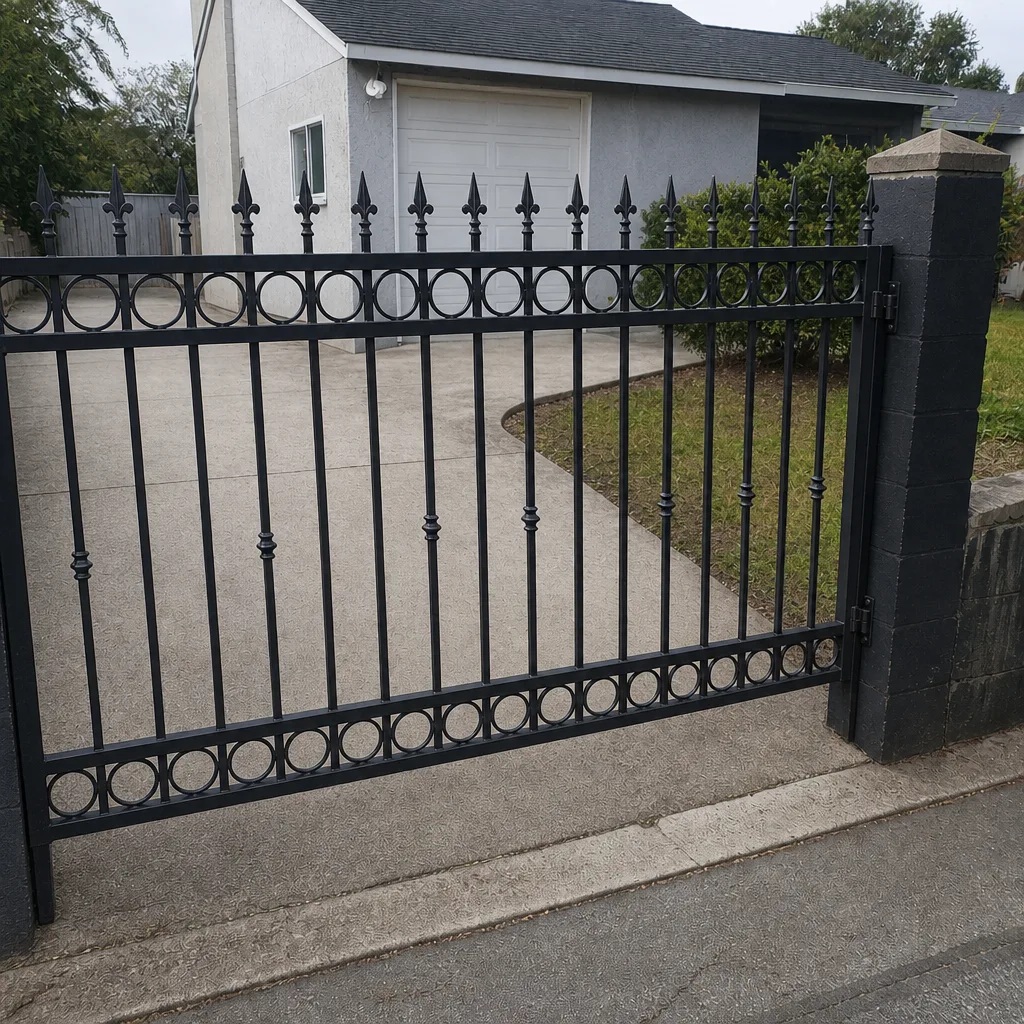 After
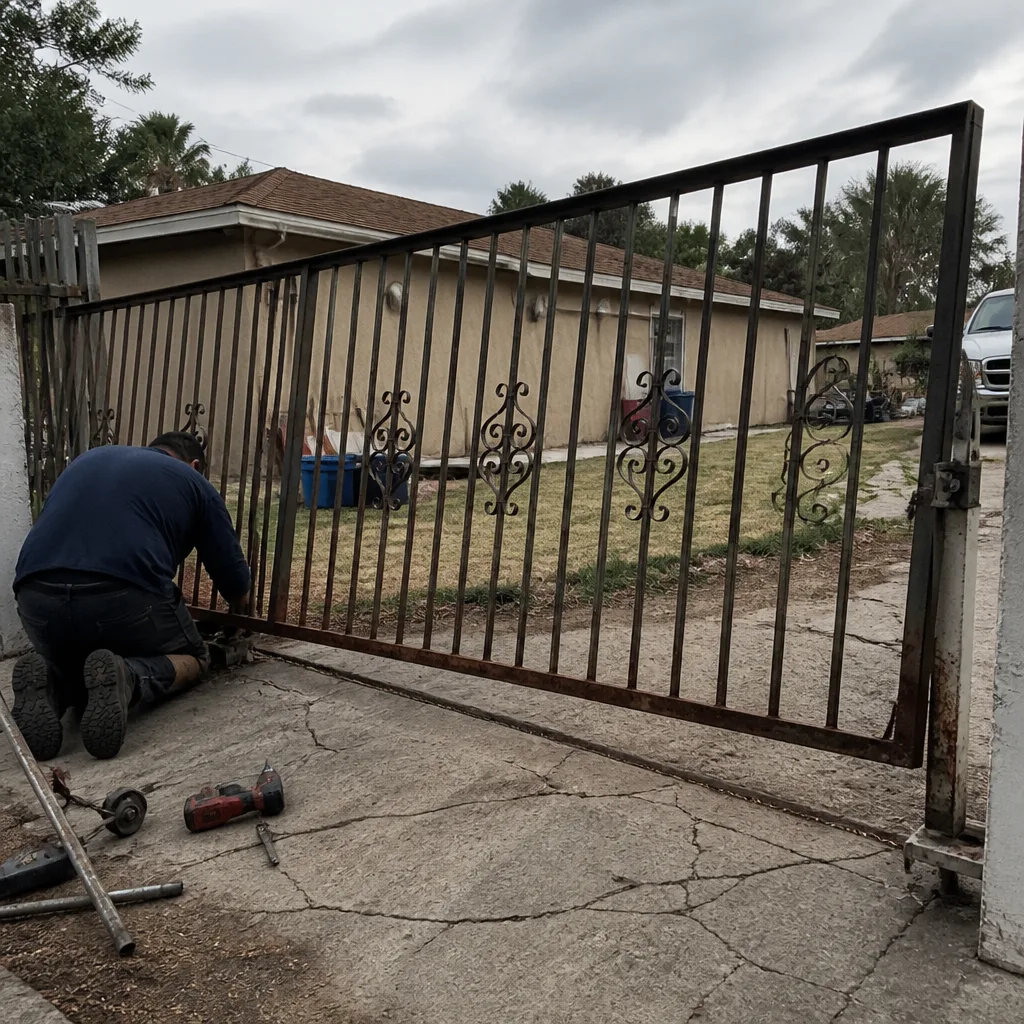 Before
 After
 Before
 After
When to Call a Professional
Some gate permit questions resolve themselves with a phone call to the city. Others need a professional who understands how the code applies to the specific equipment on your property. Call a gate specialist when your project involves automation, new electrical runs, structural changes, or any work where you’re not certain whether the city considers it repair or alteration. The wrong guess costs more than a consultation. If you’re dealing with a gate that’s stopped working, a safety sensor that keeps triggering, or a system that needs upgrading and you’re unsure about the permit path, Gate Repair Redlands offers free estimates in Redlands. We can tell you what the job involves, what the city needs, and what it’ll take to get your gate back to secure in one visit. Call (844) 405-5765. We answer 24/7. Fast dispatch from 7am to 7pm, Sunday through Friday.
Frequently Asked Questions
No, most gate repairs do not require a permit in Redlands as long as they restore existing function without changing the gate’s structure, operation, or electrical draw. Replacing hinges, sensors, control boards, or motors on an existing operator typically falls under repair. If the repair changes how the gate works, ask the city first.
A permit is typically required when you convert a manual gate to automated, upgrade to a higher-voltage operator, install new electrical service to the gate, change the gate’s structure or location, or build new masonry columns. The work is reviewed under the California Building Code with Redlands local amendments.
Only if the replacement is functionally and electrically equivalent to the original. Same voltage, same function, and no new wiring means no permit is needed. A higher-voltage operator or a different gate type changes the system’s electrical characteristics and usually triggers permit requirements.
UL 325 is the safety standard for automated gate systems in the United States. It covers entrapment protection, sensor placement, force limits, and warning signage. A non-compliant gate creates liability exposure and may fail a city inspection or complicate an insurance claim.
A simple operator replacement permit is often issued within a few days if the application is complete. Projects involving structural changes, new footings, or zoning review can take a few weeks. Plan ahead if your project is tied to an escrow deadline.
The work can usually be retroactively permitted through the City of Redlands, but the process costs more and takes longer than getting the permit upfront. Unpermitted alterations often surface during escrow, refinancing, or insurance claims. Call (844) 405-5765 and we can help you sort out what your specific gate needs to become compliant.
The Bottom Line
Most gate repairs in Redlands need no permit at all. The line between repair and alteration is where the risk lives: automation upgrades, voltage changes, and structural work all cross it. HOA rules layer on top of city code, and UL 325 safety compliance matters whether or not anyone is inspecting. Know the difference before work begins, get HOA approval before filing city paperwork, and pull permits for anything that changes what your gate is or does. Call (844) 405-5765 for a free estimate and a straight answer on where your project falls. We answer 24/7. Fast dispatch from 7am to 7pm, Sunday through Friday.
Written by the team at Gate Repair Redlands, serving Redlands since 2018.