
Last updated November 5, 2026
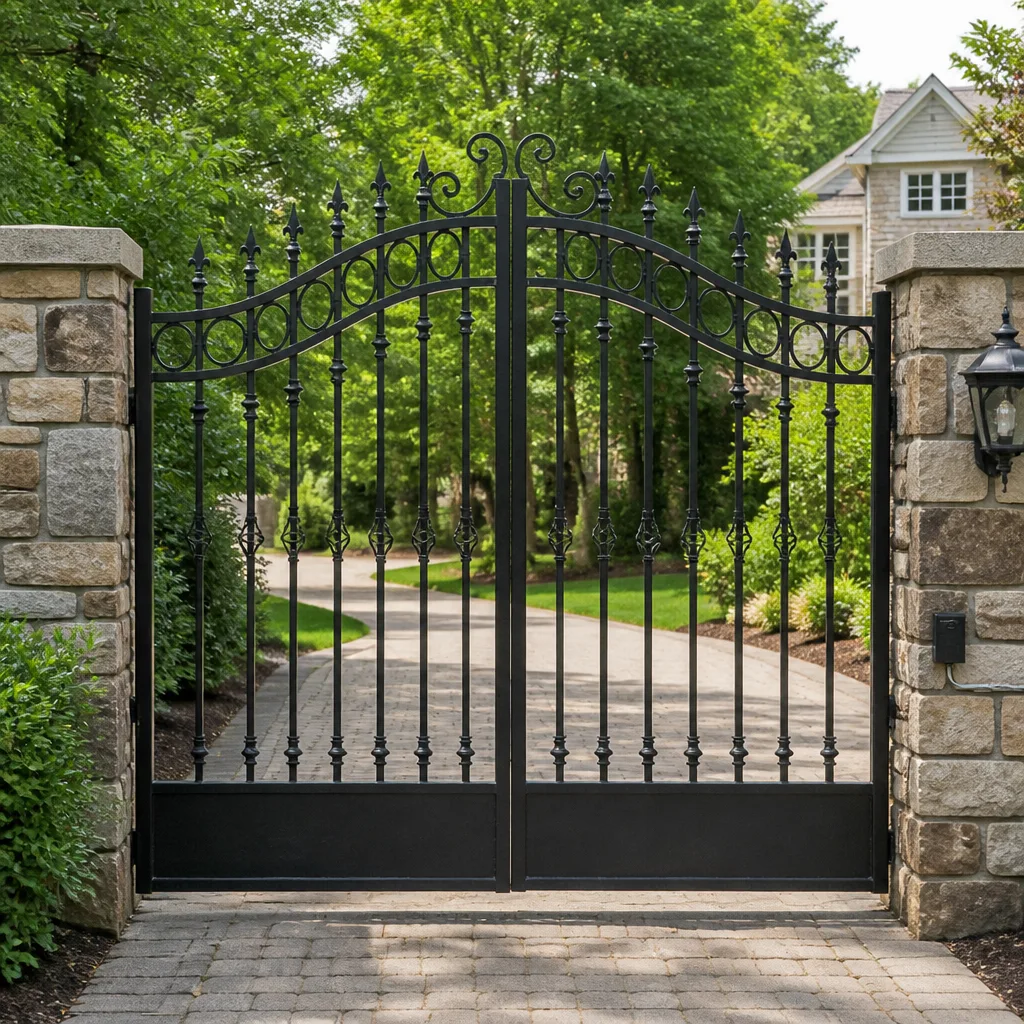 Wrought iron
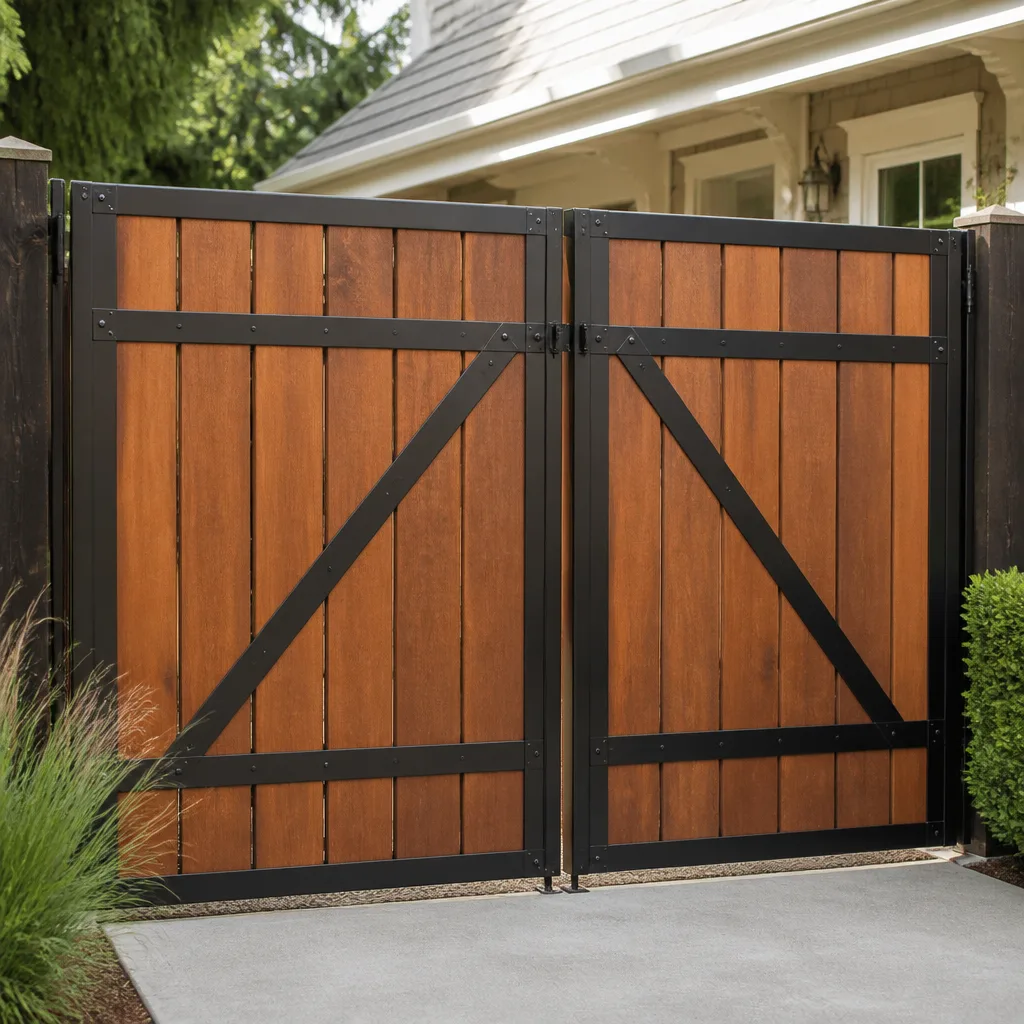 Wood & steel frame
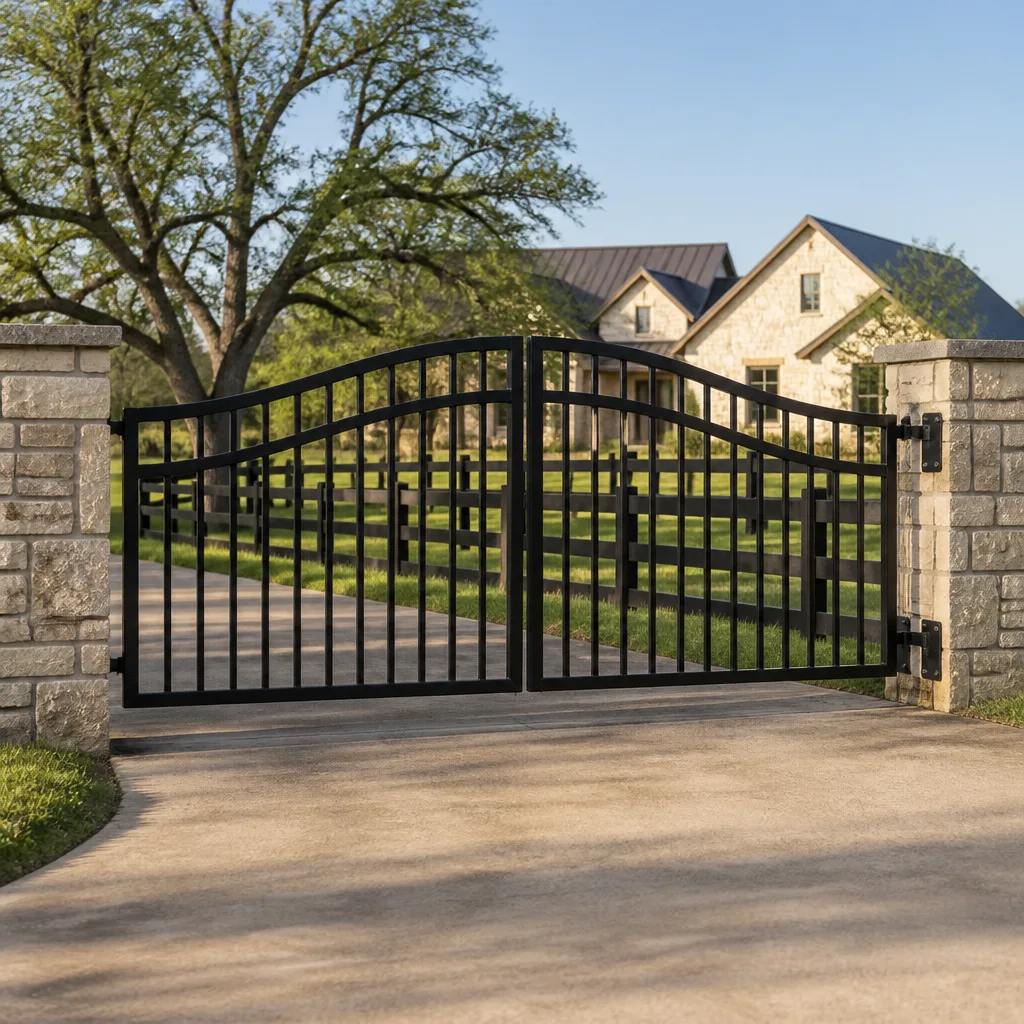 Farm & ranch
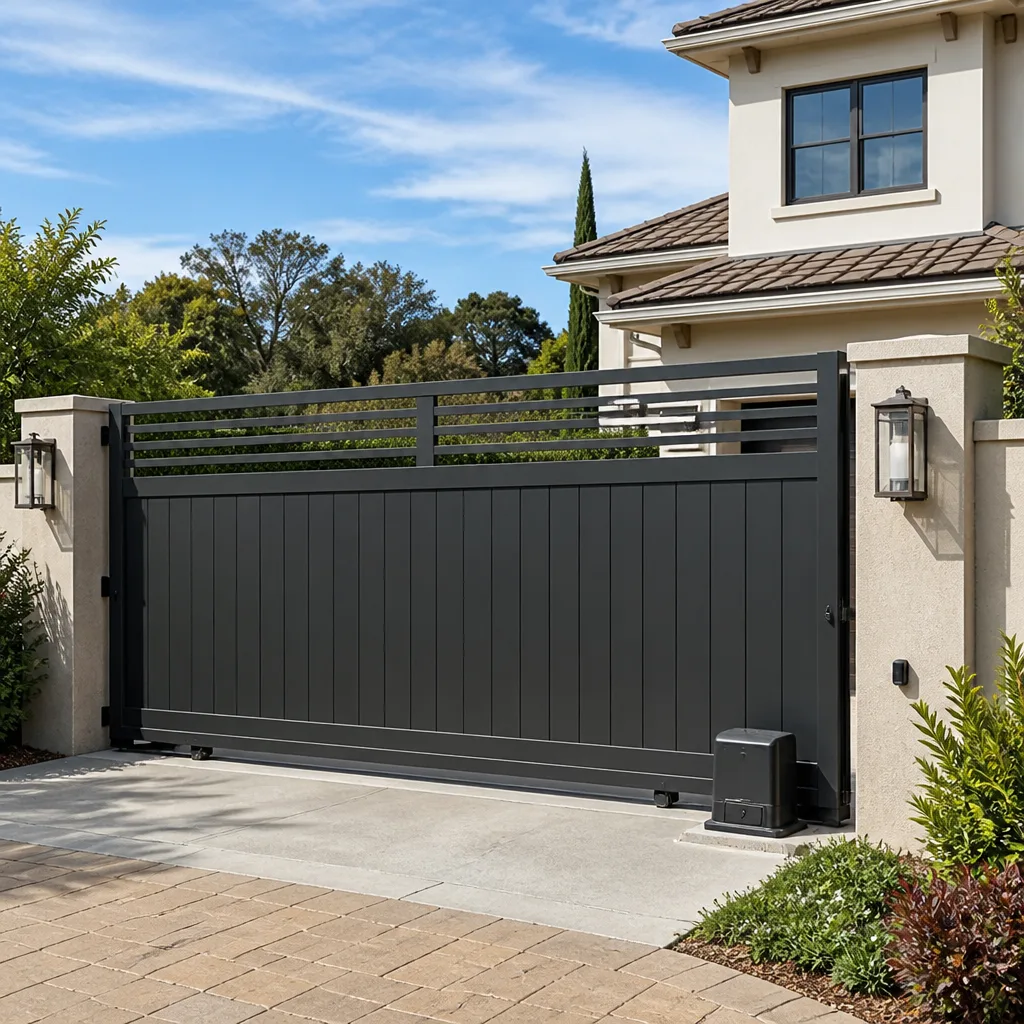 Sliding driveway gates
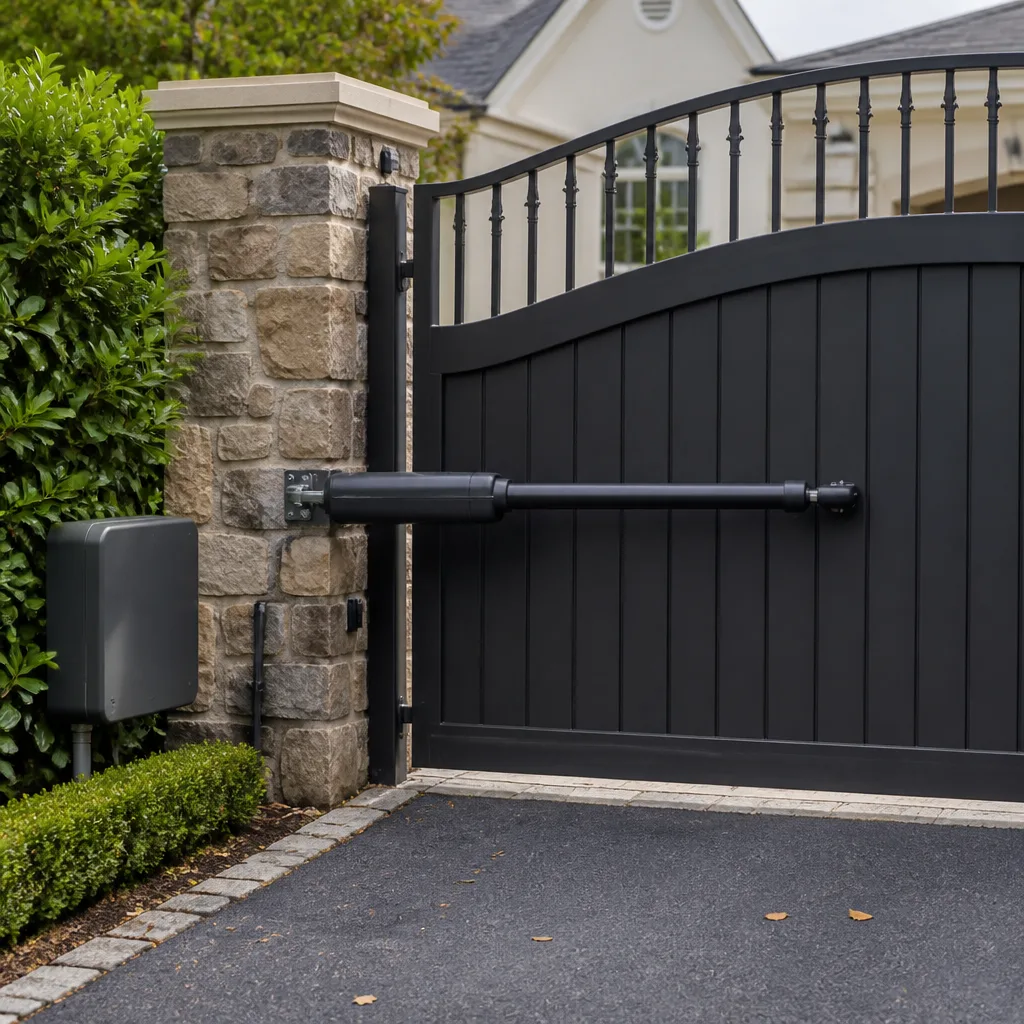 LiftMaster operators
Free on-site gate assessment - hinges, posts, and your LiftMaster or Nice gate operator checked before anything is quoted
The assessment is free and the quote is the invoice.
Get your free estimateSeasonal Gate Repair Care for Redlands: Year-Round Homeowner’s Guide
Most gate failures in Redlands happen in August and January, not because those months are random, but because they follow the two most stressful weather periods for gate hardware: peak heat expansion and overnight freeze cycles. Homeowners wait until the gate stops moving, then scramble for a fix during the worst possible window. This guide breaks the year into the four periods that actually matter here, shows what to check before each one, and explains when a repair now beats an emergency later.
Quick Answer
Seasonal gate care in Redlands means preparing for summer heat before it arrives, using fall for major repairs when technician availability is better, watching for freeze effects on concrete-set posts and hydraulic operators in winter, and inspecting electrical connections after spring moisture. The two best times for preventive work are April-May and October-November. Skipping these windows is why so many gates fail in August and January.
Styles & brands we work with
- Wrought iron
- Wood & steel frame
- Farm & ranch
- Sliding driveway gates
- LiftMaster operators
Table of Contents
- Summer Stress Period: May Through September
- Fall Transition: October Through November
- Winter Risk Window: December Through February
- Spring Recovery: March Through April
- Santa Ana Wind Events: The Any-Season Wildcard
- Common Mistakes to Avoid
- When to Call a Professional
- Frequently Asked Questions
Summer Stress Period: May Through September
Redlands summers are the single hardest season on gate hardware. Daytime temperatures routinely exceed 95°F from June through early September, and the heat does two things to a gate system. Metal expands, which changes the gap tolerances between the gate leaf and the post. And electric operators, especially the motors and control boards inside them, run hotter than they were designed to. A gate that worked fine in March can bind in July because the expanded metal rubs where it did not rub before.
The fix is not complicated, but it has to happen before the heat arrives, not after the gate starts sticking. Here is the pre-summer checklist we recommend for Redlands homeowners:
- Check the expansion gap. Walk the gate through its full open and closed arc and watch the clearance between the moving leaf and the fixed post. If the gap is under half an inch anywhere, a hot afternoon can close it entirely. Adjusting hinges or post hardware now prevents a stuck gate later.
- Listen to the operator. Open and close the gate three times and note the motor sound. A smooth hum is normal. A labored growl, clicking, or a pause before movement means the operator is working against resistance. That resistance gets worse in heat, not better.
- Check solar panel angle if the gate is solar-powered. Redlands gets strong sun, but a panel that has shifted ten degrees off its optimal angle can undercharge the battery during peak use months. Summer is when solar gates see the most cycles, so the panel needs to be at its best angle and free of dust.
- Clear the track or hinge path. Decomposed granite, leaves, and wind-blown debris collect around gate hardware. A quarter-inch of grit in a slide gate track becomes a grinding compound when the gate cycles daily in dry heat.
- Test the safety sensors. Place an object in the gate’s path and confirm the gate reverses or stops. Heat can warp sensor brackets just enough to misalign the beam, which causes false stops or, worse, a gate that does not stop when it should.
We work on the brand you already have, from LiftMaster and Elite to Mighty Mule and FAAC. Each of these operators has its own thermal behavior. A LiftMaster with a DC motor handles heat differently than an older FAAC hydraulic unit. The point is not to replace one with another. The point is to understand how the system on the property behaves in a Redlands summer and adjust for it before the first 100-degree week.
If the gate binds, do not force it. A binding gate puts strain on the motor, the control board, and the hinge welds. Forcing it open and closed a few times can turn a $200 hinge adjustment into a $900 operator replacement. Gate repair that catches the problem early is always less expensive than the repair that happens after something breaks.
Fall Transition: October Through November
October and November are the best months in Redlands for major gate work, and most homeowners do not realize it until they have already paid more for the same repair in another season. The reasoning is practical. The weather is mild, so metal is not expanded by heat or contracted by cold. Technicians are not stretched thin by summer emergency calls or winter freeze repairs. And any work done in fall has two full seasons to settle in before the next summer stress period.
This is the window for:
- Replacing worn hinges, wheels, or rollers. These parts are consumable. If they are near the end of their life in October, they will fail in January, when a gate that will not close is a security problem and a cold-weather repair is more difficult.
- Rebuilding or replacing a failing operator. If the motor has been noisy all summer, fall is the time to address it. Parts are in stock, scheduling is flexible, and the work gets done before the winter freeze window complicates installation.
- Adjusting gate alignment. A gate that has drifted out of square over the summer can be corrected without fighting thermal expansion. Once adjusted in fall, it typically holds through winter.
- Upgrading access components. Keypads, intercoms, remote receivers, and vehicle sensors all install more cleanly in moderate temperatures. Adhesives cure properly, and the technician is not rushing between heat-stress emergency calls.
There is a cost angle here too. Gate specialists in Redlands are busiest in August and January, the two peak failure months. Booking major work in October or November means more scheduling flexibility and often a lower quote, simply because the demand spike has not hit. The written estimate sets the final price, and a fall quote is typically more favorable than the same work quoted during a heat wave or freeze week.
For homeowners with electric operators, fall is the right time for a full-system inspection. Electric gate repair covers the motors, control boards, safety loops, and remote access components. Having all of it checked in October means the system enters the coldest months with clean connections, proper torque settings, and a control board that is not already running hot from summer.
Winter Risk Window: December Through February
Redlands winters are mild by most standards, but they are not without risk for gate systems. Two specific problems show up every year, and both are tied to the freeze cycles that do happen here, especially in the higher elevation zones around Redlands.
The first is concrete-set post movement. Gate posts are set in concrete footings, and when the ground freezes and thaws, even slightly, the soil around the footing expands and contracts. Over several winters, a post that was perfectly plumb can drift. The gate leaf starts to sag, the latch no longer lines up, and the operator strains against a gate that is no longer square. This does not happen overnight. It happens incrementally, and it shows up as a gate that worked in November but scrapes in February.
The second is hydraulic operator behavior in cold weather. Hydraulic operators, common on heavier residential and commercial gates, rely on fluid to move the gate. Cold fluid is thicker, which means the operator works harder and moves the gate more slowly. If the fluid is old or contaminated, cold weather makes it worse. A hydraulic gate that is sluggish on a 40-degree morning needs attention before it becomes a gate that will not move at all.
Winter checks for Redlands homeowners:
- Watch the gate speed. If an electric gate moves noticeably slower on cold mornings than it did in October, the operator or fluid is struggling. This is diagnosable and usually fixable without replacement.
- Check the latch and receiver alignment. A gate that closes but will not latch is a security issue. Misalignment from post movement is almost always the cause.
- Inspect for new gaps at the base of posts. If soil has pulled away from the concrete footing, water can settle there and worsen the freeze movement. Filling the gap with compacted soil or gravel slows the problem.
- Listen for changes in motor sound. Cold weather amplifies alignment problems. A motor that sounded fine in September but whines in December is telling you something moved.
If a gate fails in winter, we answer 24/7. Fast dispatch from 7am to 7pm, Sunday through Friday. A call outside dispatch hours is booked into the next opening, Sunday through Friday, 7am to 7pm.
For Gate Repair Redlands, winter is also when we see the most damage from homeowners trying to force a frozen or misaligned gate. The gate is heavy. The operator is strong. When the two fight, the operator usually loses the gear or the board, and the repair gets bigger. Do not force a gate that is fighting back.
Spring Recovery: March Through April
Spring in Redlands is the season for recovery inspections. Winter moisture, which here means rain and morning condensation rather than snow, gets into electrical enclosures, terminal strips, and low-voltage connections. By March, oxidation can cause intermittent faults that are hard to trace. A gate that works sometimes and not others, or a keypad that reads some codes and not others, is often a moisture problem.
The spring inspection we recommend focuses on four things:
- Electrical connections. Open the operator cover and look for white or green corrosion on terminals. This is the single most common cause of intermittent electric gate behavior in spring. Cleaning and resealing connections is a quick fix that prevents bigger problems.
- Battery health on solar operators. Winter has shorter charge windows and cooler nights. A battery that struggled through winter may fail in spring just as the gate starts cycling more. Testing it now avoids a dead gate in April.
- Hinge and wheel lubrication. Winter moisture washes lubricant out of moving parts. Relubricating hinges, rollers, and the operator chain or screw drive in spring restores smooth movement before summer heat arrives.
- Safety sensor function. Spring sunlight angles change, and a sensor that worked in winter can be blinded by low-angle morning sun in March. Testing the auto-reverse function now is a safety check, not just a maintenance item.
This is also the season to plan ahead. If the gate needed attention last summer and you put it off, spring is the second-best window after fall to get the work done. Booking in April means the gate is ready for the heat, not reacting to it.
Gate specialists, not generalists. That distinction matters most in spring, when a dozen different trades get busy and a gate problem can sit on a list for weeks. Our team works on gates and nothing else, which means the spring inspection is thorough and the fixes are done by someone whose entire skill set is built around gate systems.
Santa Ana Wind Events: The Any-Season Wildcard
Redlands sits in the path of Santa Ana wind events, which can happen in any season but are most common in fall and early winter. These winds are a gate killer. Sustained gusts push against a closed gate leaf with enormous force, and the gate, the hinges, and the operator all take the load. A gate that is already slightly out of alignment will be pushed further out. A slide gate with a worn track will chatter. A swing gate with a tired operator will be driven back against its stop repeatedly.
After any significant wind event, walk the gate through its full cycle and check:
- New alignment problems. Wind can push a gate post slightly or knock a gate leaf out of square. Check the latch, the gap at the top and bottom, and the smoothness of the open and close cycle.
- Debris in the track or hinge path. Santa Anas carry leaves, branches, and dust into every opening. A slide gate track full of organic material will bind and overload the operator.
- Operator strain. Wind forces the operator to work harder. If the motor sounds different after a wind event, the gate may have shifted and added resistance. Have it checked before the next wind arrives.
- Loose hardware. Sustained vibration loosens bolts on hinges, latch plates, and operator mounts. A five-minute tightening pass after a wind event prevents a failure during the next one.
Santa Ana wind events also create the biggest spike in emergency gate calls in Redlands. Gates that were marginal before the wind fail during it. The best protection is to have the gate inspected before wind season, which is another argument for doing preventive work in October and early November.
Electric gate diagnosis starts with understanding the system, not swapping parts. That approach matters after a wind event, when the symptom might be a dead operator but the cause might be a shifted post or a bent hinge. Replacing the operator without fixing the cause means the new operator fails the same way.
Common Mistakes to Avoid
- Waiting for the gate to fail before calling. Redlands gates fail on a schedule, and the schedule is set by the heat and the freeze. A gate that works hard all summer will fail in August. A gate with a corroded connection will fail in January. Preventive work breaks the schedule.
- Forcing a gate that is stuck or slow. When a gate binds, the operator is already working against resistance. Forcing the gate by hand or repeatedly cycling it adds more strain. The operator motor, gear, or board is expensive to replace, and forcing the gate is how those parts get destroyed.
- Ignoring the first sign of a problem. A gate that squeaks, a motor that whines, a remote that only works sometimes. These are not quirks. They are early warnings. The gate is telling you something is wearing out, and ignoring it means the repair gets bigger.
- Lubricating the wrong parts. Spraying lubricant on a gate’s electrical components, sensors, or control board does damage. Lubrication belongs on hinges, rollers, chains, and screw drives, not on electronics. When in doubt, leave it alone and ask a specialist.
- Skipping the safety sensor check. The auto-reverse sensor is the single most important safety component on an electric gate. A misaligned or dirty sensor can fail to detect a person, a pet, or a vehicle. Testing it seasonally is a safety obligation, not a nice-to-have.
- Asssuming a dead operator means it needs replacement. Many “dead” operators have a tripped breaker, a corroded terminal, a failed capacitor, or a blown fuse. A specialist who understands the system can often fix the actual problem without replacing the unit. Replacing parts blindly is the expensive way to diagnose.
- Doing major work in August or January. The worst months for gate work in Redlands are the hottest and coldest ones. Scheduling major repairs in October, November, March, or April means better availability, more flexible pricing, and a repair that is not competing with a hundred emergency calls.
When to Call a Professional
Some gate problems are obvious and urgent: a gate that will not close, an operator that sparks or smokes, a safety sensor that will not reverse, a post that has visibly moved. These are not DIY situations. The gate is heavy, the operator runs on line voltage, and the safety systems exist to prevent injury. A trained professional can diagnose and fix these problems safely.
Other situations are less urgent but still worth a professional look: a gate that has gotten slower over time, a motor that sounds different than it did a year ago, a keypad that works intermittently, or a gate that has drifted out of alignment. These are the early warnings that prevent the emergency. Gate Repair Redlands offers free estimates in Redlands. Call (844) 405-5765 to schedule an on-site look, and the price is set per job by the written estimate before any work starts.
From the motor to the hinge, our technicians work on the full system, not just the symptom. We work on the brand you already have, whether that is LiftMaster, FAAC, Elite, Mighty Mule, or another operator. The goal is back to secure in one visit, not a sales pitch for a replacement you do not need.
Frequently Asked Questions
Gate repair costs in Redlands vary by the work needed. Minor fixes like hinge adjustments, sensor realignment, or remote reprogramming are typically on the lower end. Operator repairs, control board replacement, and post resetting run higher, and full gate installation is a separate estimate. The written estimate sets the final price, and estimates are free. Call (844) 405-5765 for an exact quote for your gate.
Yes, for most repair situations we can dispatch a technician the same day you call. We answer 24/7 and fast dispatch runs from 7am to 7pm, Sunday through Friday. A call outside dispatch hours is booked into the next opening. Call (844) 405-5765 and we will get someone out as soon as the schedule allows.
Summer gate failures in Redlands are usually caused by thermal expansion, which makes the gate leaf expand and bind against the post or track. The operator then has to work harder, which overheats the motor and control board. A gate that was properly adjusted in spring can still fail in August if the expansion gap was too tight. Preventive checks in April and May catch this before it becomes a breakdown.
Yes. October and November have mild temperatures, which means metal is neither expanded nor contracted, and alignment work holds better. Technician availability is also better because the summer emergency spike has passed and the winter freeze spike has not started. Major repairs are often quoted lower in fall because demand is not at its peak.
We work on the brand you already have. Our technicians are experienced with LiftMaster, FAAC, Elite, Mighty Mule, and other major gate operator brands. We do not push replacements toward a preferred brand. The diagnosis is brand-agnostic, and the repair is based on what the system actually needs.
After a strong wind event in Redlands, check the gate for new alignment problems, debris in the track, a different motor sound, and loose hardware on hinges and latch mounts. Wind puts enormous force on a closed gate and can shift posts or hardware. If anything looks or sounds different, have it inspected before the next wind event.
Twice a year is the minimum for an electric gate in Redlands: once in spring before the summer heat, and once in fall before the winter freeze window. Gates that see heavy daily use, commercial gates, and solar-powered systems benefit from a third check. The inspections are quick, they catch problems early, and they cost far less than an emergency repair.
The Bottom Line
Redlands does not have four equal seasons, and treating gate care as if it does wastes money. The calendar that matters here is simple: prepare for heat in April and May, do major work in October and November, watch for cold-weather strain from December through February, and check electrical connections when spring moisture fades. Santa Ana winds can disrupt that schedule any time. The gate will tell you when something is wrong, through sound, speed, and alignment. Listen to it, act before the season breaks it, and call a gate specialist when the problem needs a professional. We answer 24/7. Fast dispatch from 7am to 7pm, Sunday through Friday. Call (844) 405-5765 for a free estimate, and the written quote sets the price before any work begins.
Written by the team at Gate Repair Redlands, serving Redlands since 2018.
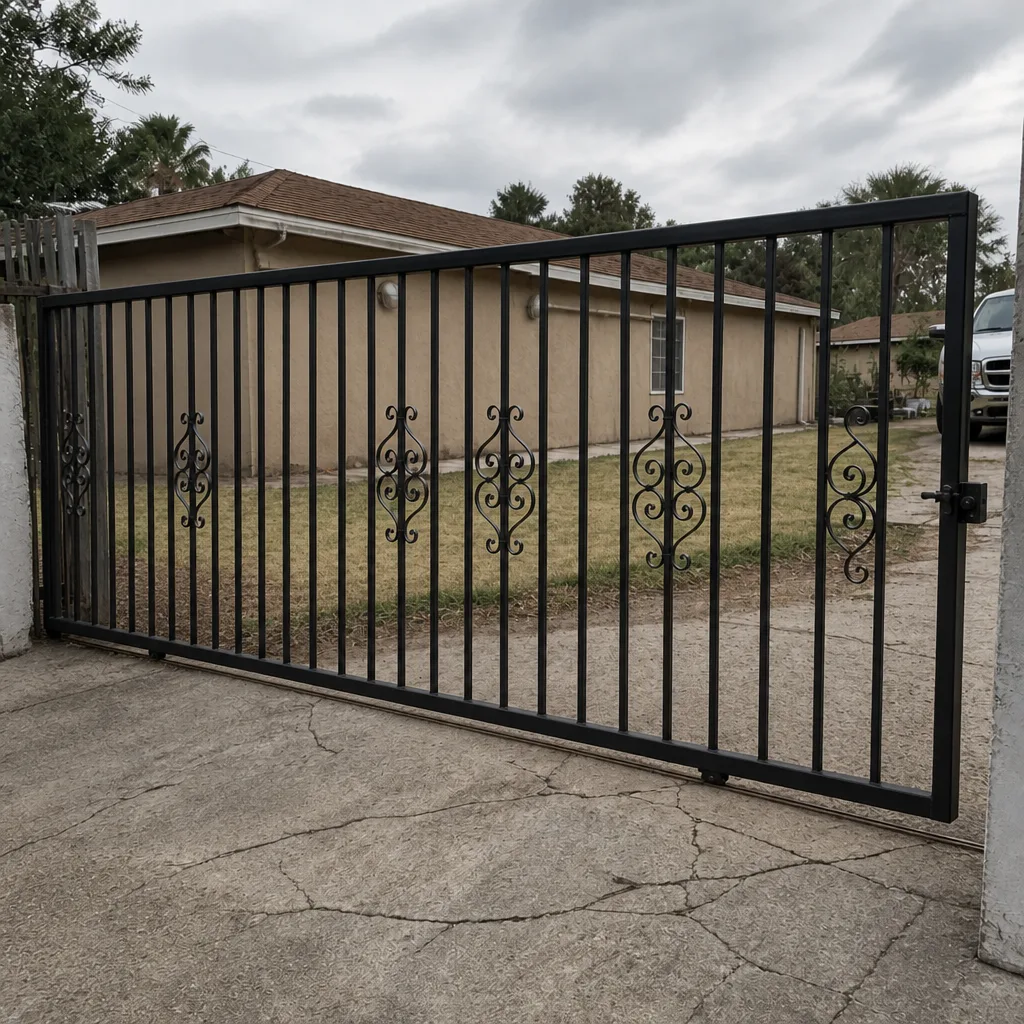
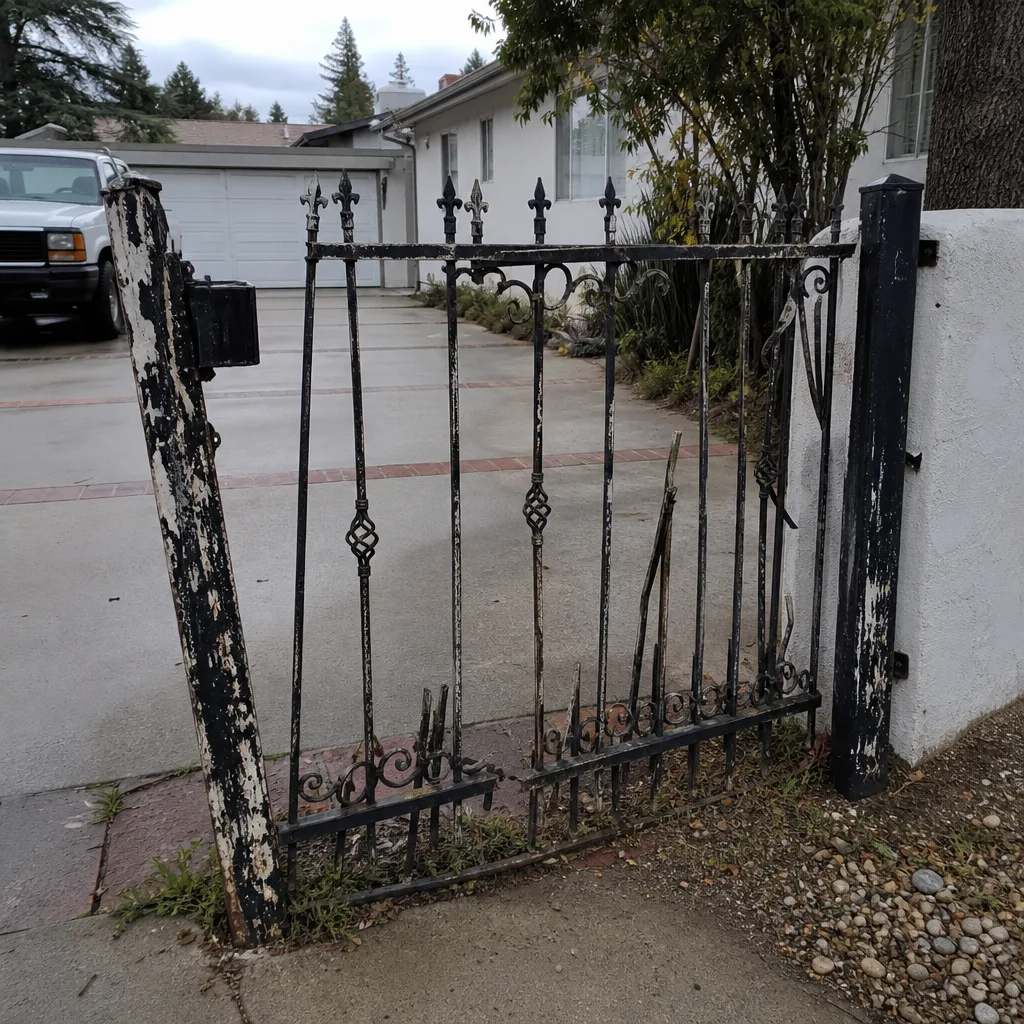
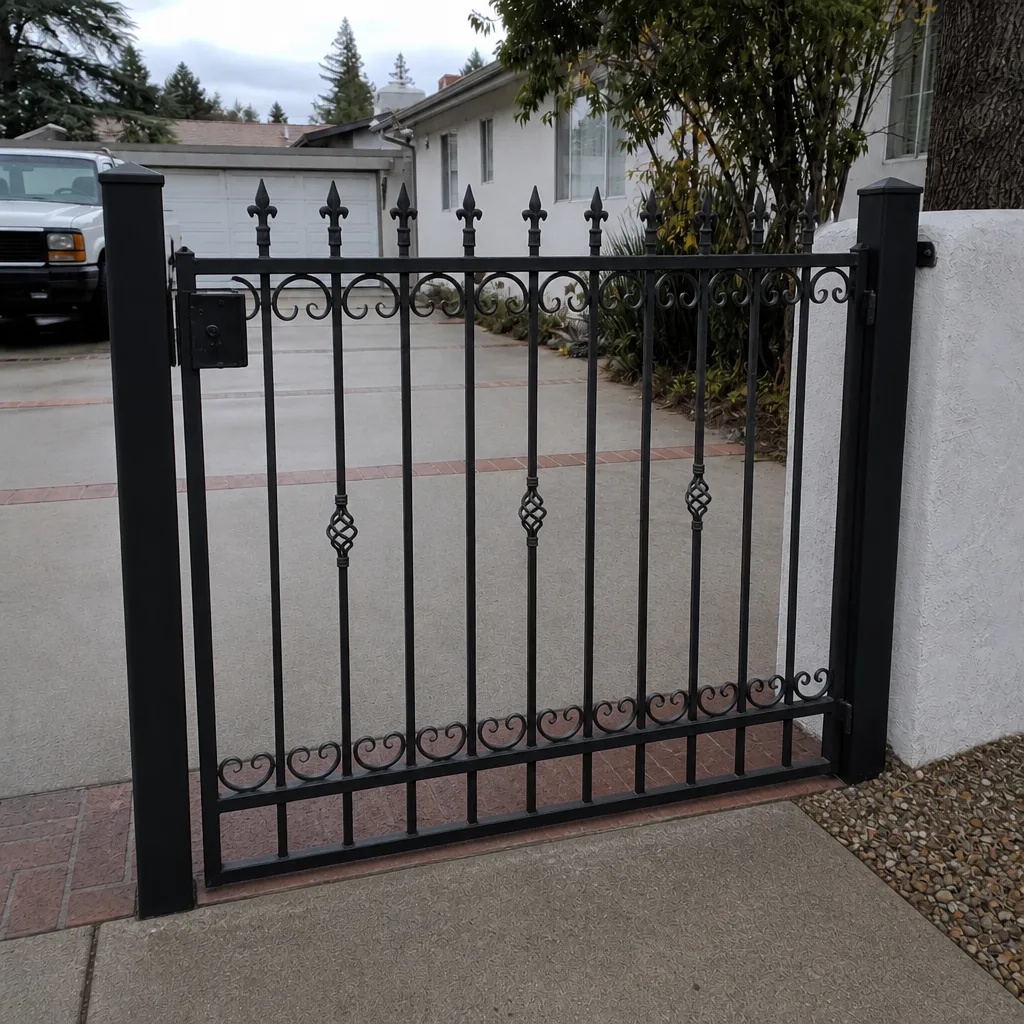
See the difference
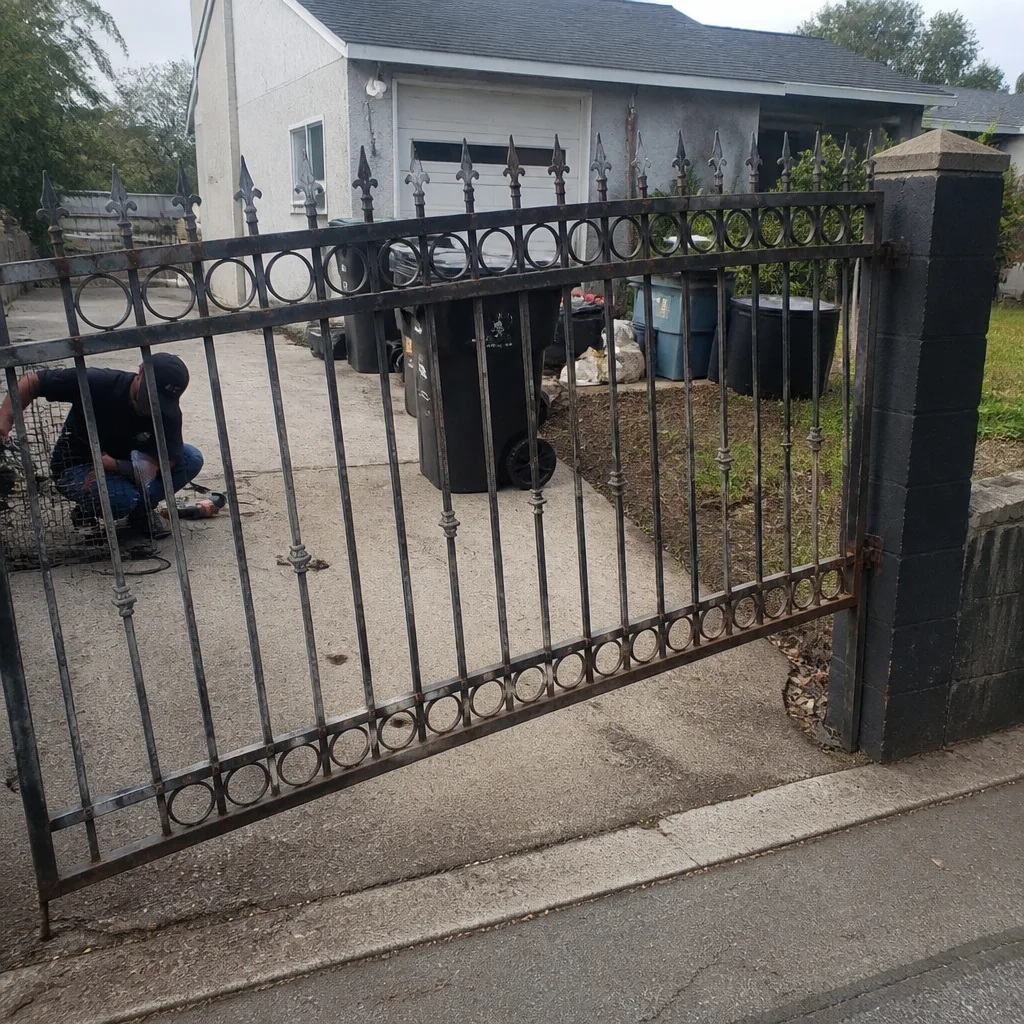 Before
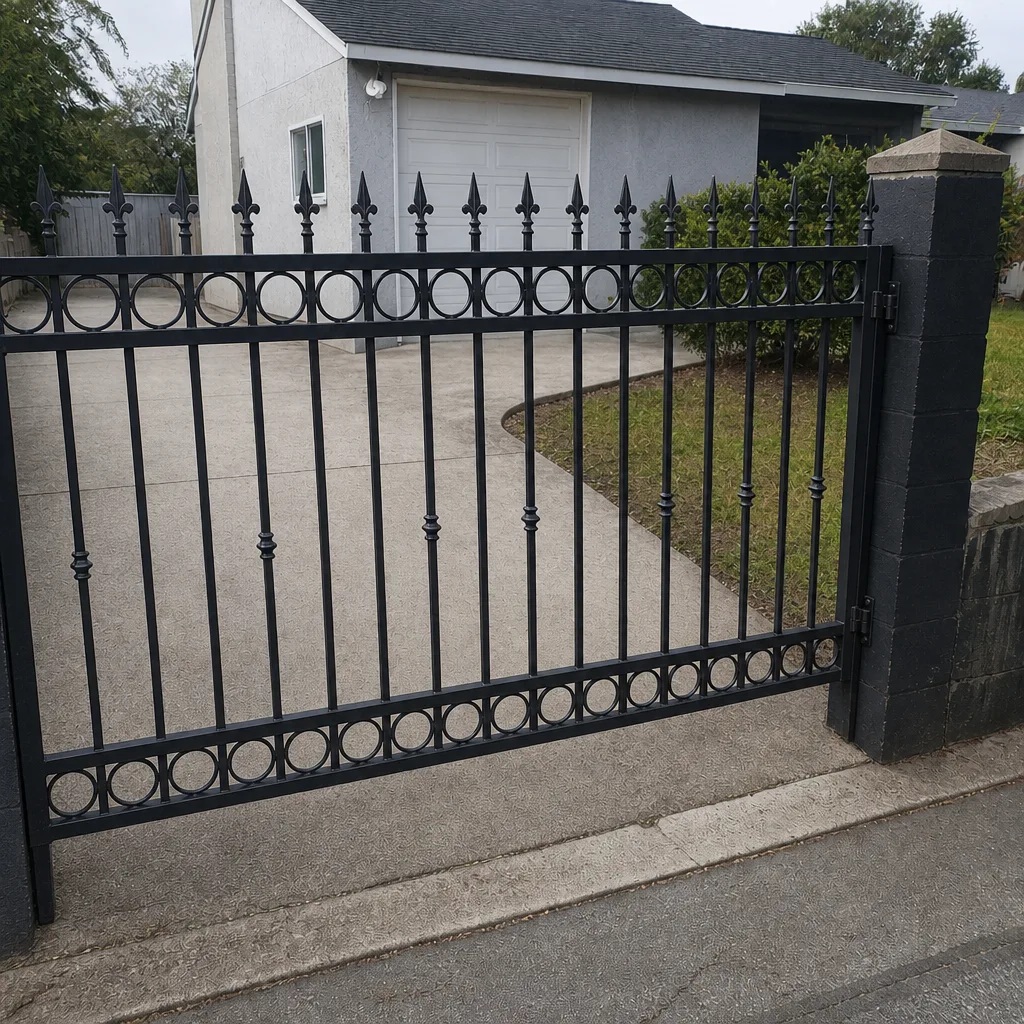 After
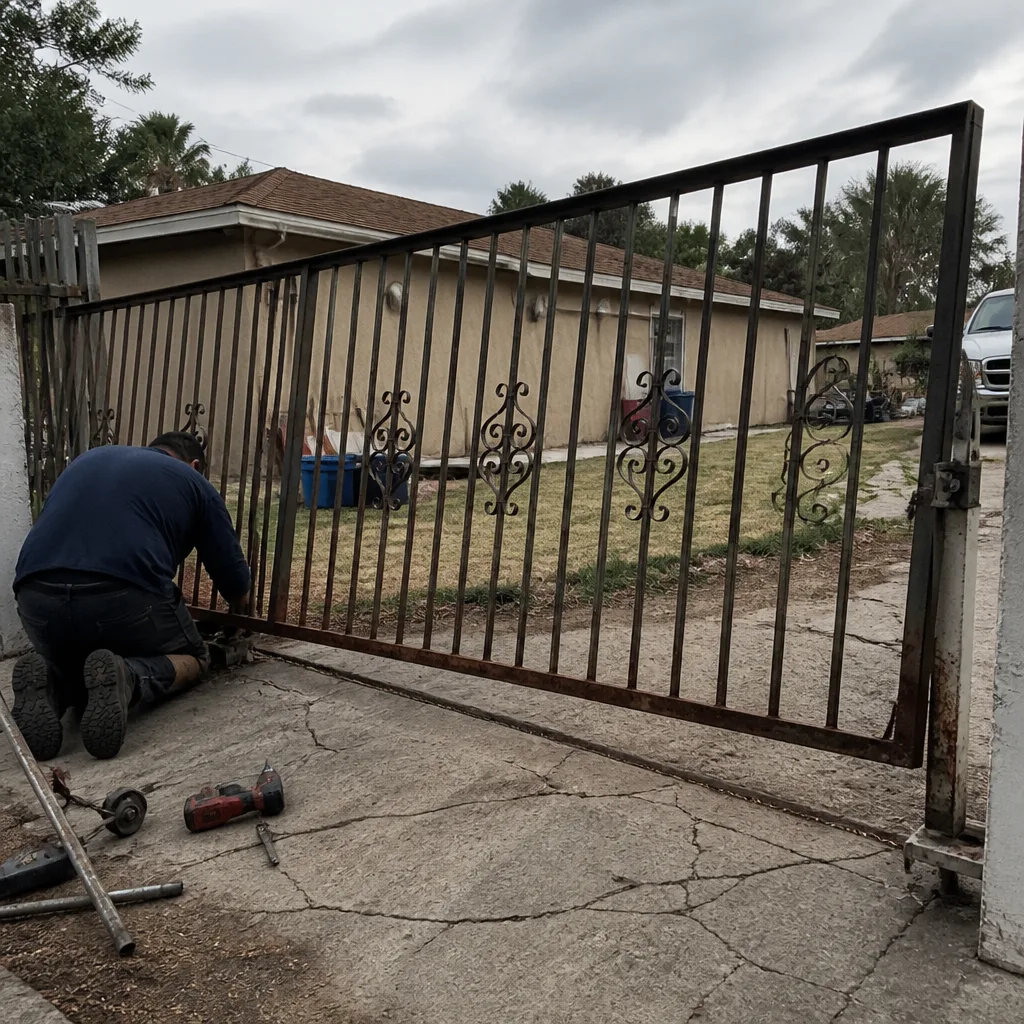 Before
 After
 Before
 After