
Last updated November 4, 2026
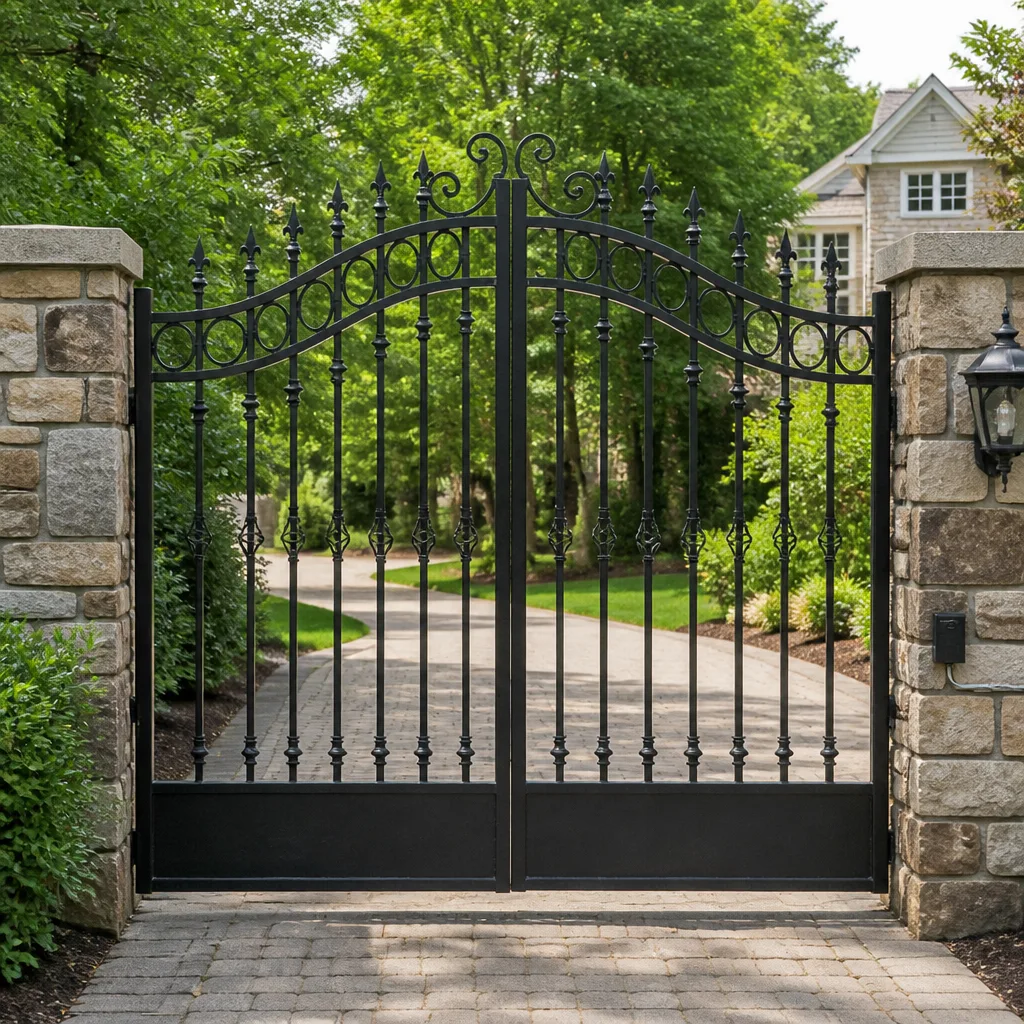 Wrought iron
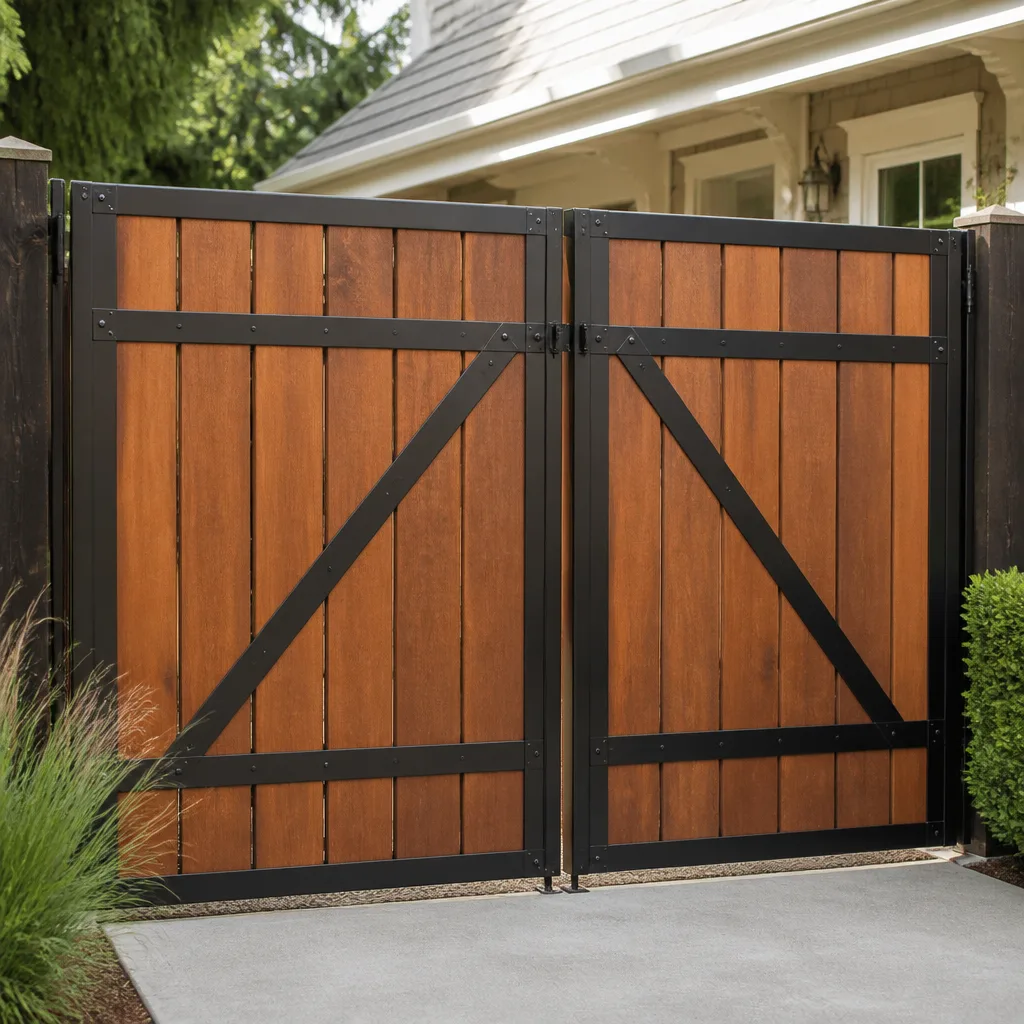 Wood & steel frame
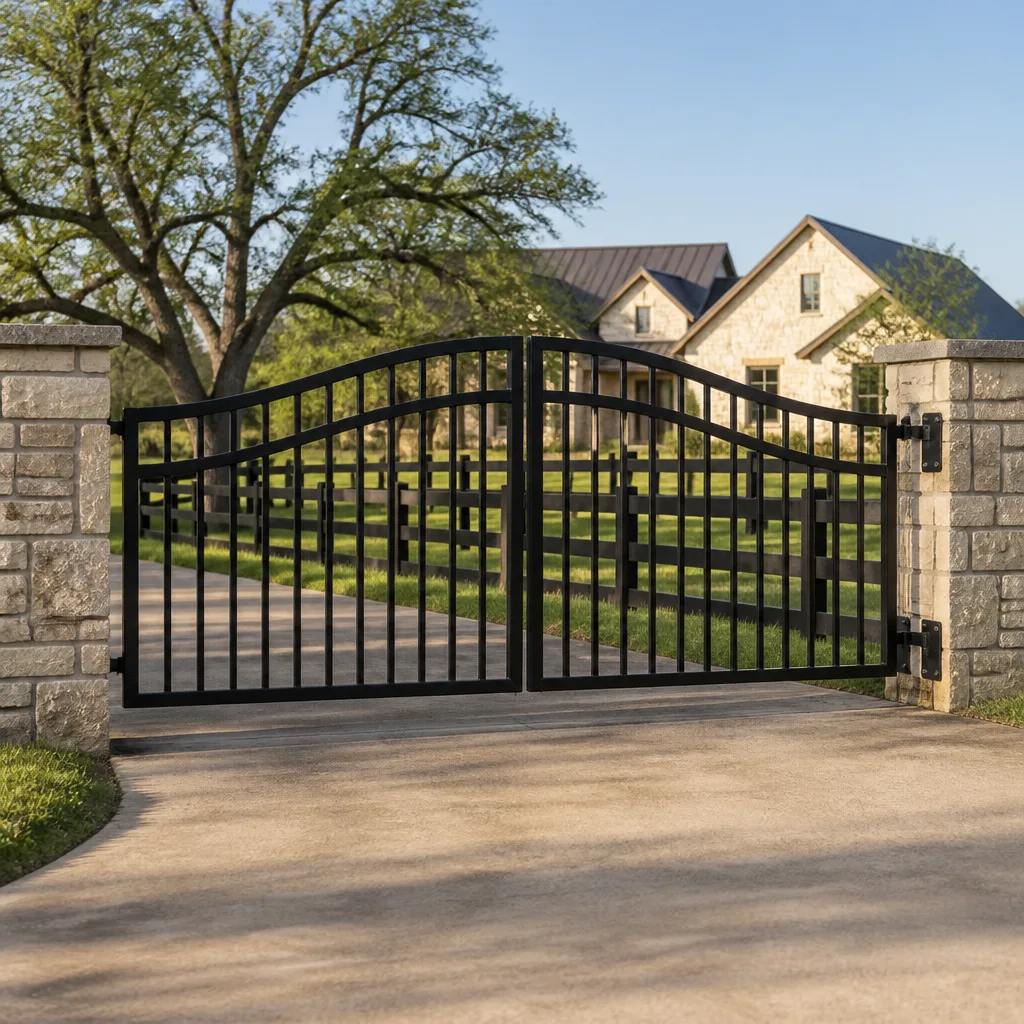 Farm & ranch
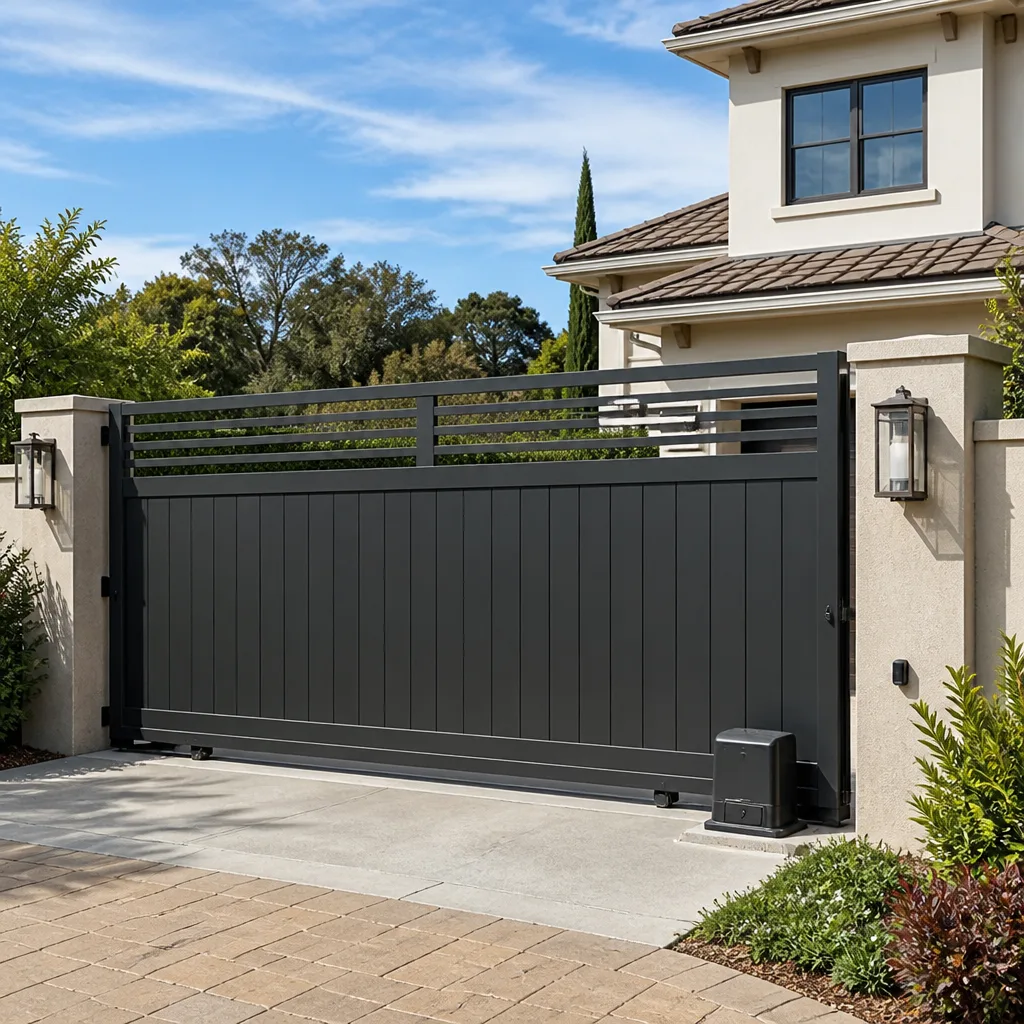 Sliding driveway gates
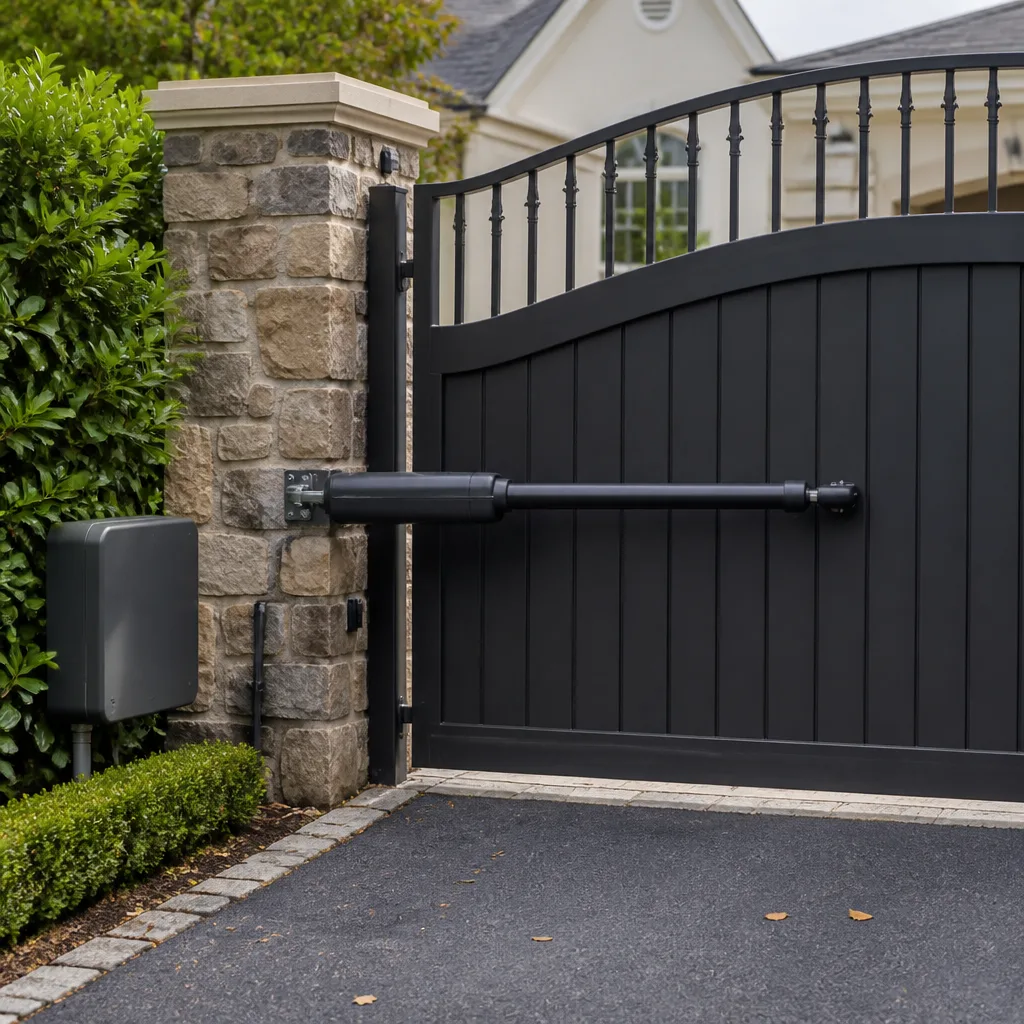 LiftMaster operators
Free on-site gate assessment - hinges, posts, and your LiftMaster or Nice gate operator checked before anything is quoted
The assessment is free and the quote is the invoice.
Get your free estimateGate Repair Maintenance Schedule: What to Do and When
The most expensive gate repair we see isn’t from a storm or an accident. It’s from a chain drive that ran dry for 18 months because nobody knew it needed lubrication. Here’s the thing about gates in Redlands: they don’t fail from cold. They fail from heat, dust, and slow neglect. This guide gives you a maintenance calendar built for how gates actually wear in this climate, organized by what your gate does, how often it cycles, and what to check each season. By the end, you’ll know exactly what to do and when, and which jobs are safe to handle yourself versus which ones need a specialist.
Styles & brands we work with
- Wrought iron
- Wood & steel frame
- Farm & ranch
- Sliding driveway gates
- LiftMaster operators
Quick Answer
A residential gate in Redlands should get a 15-minute visual inspection every month, lubrication of the chain or hinges every 3 to 4 months, and a full professional service once a year. The exact interval depends on how many times your gate opens and closes daily, the type of operator, and UV exposure. Electric gates that cycle more than 20 times a day need professional service every 6 months, not 12.
Table of Contents
- Building a Schedule Around Gate Cycles, Not Calendar Dates
- The 10-Point Monthly Visual Inspection
- Lubrication Spec Sheet: What Goes Where
- Redlands Seasonal Maintenance Calendar
- Operator-Specific Maintenance by Brand
- What You Can Do Yourself (and What You Shouldn’t)
- Common Mistakes to Avoid
- When to Call a Professional
- Frequently Asked Questions
- The Bottom Line
Building a Schedule Around Gate Cycles, Not Calendar Dates
Most maintenance guides tell you to service your gate every six months. That’s a guess. The real variable is cycle count: one full open-and-close sequence equals one cycle. A gate at a single-family home in Redlands might cycle 8 times a day on weekdays and 20 times on a weekend. A gate at a small apartment complex or a property with a home business might hit 50 or 60 cycles daily. Those two gates need completely different service intervals.
Here’s the math that actually matters. A gate operator motor, a chain drive, and a set of hinges are all rated for a finite number of cycles before components wear. That number varies by brand and model, but the principle holds: lighter use stretches the interval, heavier use shortens it.
How to Calculate Your Gate’s Annual Cycle Count
- Count how many times the gate opens fully in a typical day. Then double it (every open has a matching close).
- Multiply that number by 30 to get a monthly estimate.
- Multiply the monthly number by 12 for the annual total.
For reference: a gate that opens 6 times a day (12 cycles including closing) logs about 4,400 cycles per year. A gate that opens 30 times a day logs about 22,000 cycles annually. The second gate wears parts five times faster.
Service Intervals by Cycle Count
- Under 5,000 cycles per year: Professional service every 12 months. Monthly visual inspection at home.
- 5,000 to 15,000 cycles per year: Professional service every 9 months. Lubrication every 3 months.
- Over 15,000 cycles per year: Professional service every 6 months. Monthly lubrication and visual checks. This is common for Redlands properties on corner lots, near schools, or with attached rental units.
The point isn’t precision to the decimal. The point is that your neighbor’s schedule may not be yours. A gate that runs quietly today can be grinding metal in 90 days if it cycles 50 times daily and hasn’t been lubricated. If you’re not sure where your gate falls, gate repair specialists can assess usage patterns in about ten minutes during a service visit.
The 10-Point Monthly Visual Inspection
This is the 15-minute routine that catches most developing problems before they become breakdowns. Do it on the first weekend of the month. You don’t need tools for most of it, just eyes and ears.
- Listen to the gate operate. Open and close it once from the keypad or remote. A smooth hum is normal. Grinding, squealing, clicking, or hesitation means something needs attention.
- Watch for jerkiness. Does the gate move smoothly from fully open to fully closed, or does it stutter? Jerky movement often points to a chain tension issue or a worn wheel.
- Check the chain or belt tension. For chain-drive gates, the chain should have slight give but not sag visibly. A loose chain slaps the rail; a too-tight chain strains the motor.
- Inspect hinge bolts and mounting plates. Look for rust, loose bolts, or any gap between the gate and the post. In Redlands’ dry climate, rust is less common than in coastal areas, but bolt loosening from vibration is common.
- Look at the wheels and track. Slide gates run on wheels that collect dirt. Wipe them clean and check for flat spots or wobble.
- Test the safety sensors. Wave your hand in front of the sensor while the gate is closing. It should stop and reverse immediately. If it doesn’t, stop using the gate and call a professional. A malfunctioning sensor is a serious safety hazard, especially with children or pets nearby.
- Check the operator housing. Look for dust accumulation, spider webs, or debris around the motor. Redlands gets dry-season dust that finds its way into every housing.
- Inspect the power cord and wiring. Look for chewed insulation, exposed copper, or loose connections at the junction box. Rodents in the Inland Empire will nest near warm motors.
- Look at the gate’s physical alignment. Stand back and sight down the gate line. Is the gate listing to one side? Are the gaps at top and bottom even?
- Check the keypad and remote. Do all entry methods still work smoothly? A keypad button that requires hard presses will fail completely soon.
This routine won’t catch everything. It will catch most things early, which is the entire point. If any of these checks reveals a problem, note it and monitor. If it persists or worsens, electric gate repair is quicker and cheaper when addressed early.
Lubrication Spec Sheet: What Goes Where
Lubrication is where DIY maintenance goes wrong most often. The wrong product in the wrong place creates a grinding paste or a sticky gummed surface that accelerates wear. Here’s the breakdown for the three main gate types found in Redlands residential and commercial properties.
Dry PTFE Spray
Use on: slide gate wheels, track rollers, and any place where a wet lubricant would attract dust. PTFE (commonly sold as a dry film lubricant) leaves a slick coating without a greasy residue. In Redlands, where the dry season blows fine dust for months, this matters. Wet grease on a slide gate track becomes an abrasive slurry within weeks.
White Lithium Grease
Use on: hinge pins, latch mechanisms, and gate pivot points. White lithium is thick enough to stay in place but clean enough not to run. Apply sparingly. A little goes on the pin, the gate hinges move the grease through the joint, and the excess wipes away. Over-application is messy but not harmful.
Chain and Cable Lubricant
Use on: chain drives only. Chain oil is formulated to cling to moving chain links without flinging off. Apply while the chain is stationary, then run the gate once to distribute. Do not use WD-40 as a chain lubricant. WD-40 is a solvent and water displacer, not a lubricant. It strips existing lubrication and leaves metal with less protection than it had before.
What Not to Mix
Never apply white lithium grease to a slide gate track. Never use chain oil on hinges. The rule is simple: dry lube for anything exposed to dust, grease for sealed or slow-moving joints, chain oil only for chains. Mixing these up causes the exact problems you’re trying to prevent.
Redlands Seasonal Maintenance Calendar
Redlands has a climate pattern that makes maintenance timing predictable. Hot, dry summers. Mild winters with occasional rain. Santa Ana wind events in fall and early winter. Each season creates specific wear patterns.
January and February: After the Winter Rains
Rain in Redlands is usually light, but it’s enough to wash accumulated dust into gate tracks and wheel housings. After each rainy period, check that the track drains properly and no standing water sits near the operator. Water and motor housings are a bad combination. This is also a good time to check for any rust starting on bare metal components, especially if a seal or paint layer was already compromised.
March and April: Pre-Summer Prep
Summer heat is coming, and that’s the hardest season on electric operators. In March, inspect the operator housing for dust buildup from the previous dry season. Clean it out. Check the cooling vents if your operator has them. A motor that runs hot all summer ages its internal capacitors faster. This is the best time of year to have a professional do a full service on Gate Repair Redlands equipment, before the heat arrives.
May through September: Heat and Monitoring
This is when gate operator failures cluster. Heat causes thermal stress on circuit boards and motor windings. Lubricants thin or dry faster. Metal gates expand slightly under direct sun, which can change how the gate sits against the close stop. During these months, do the monthly inspection without fail. If the gate sounds different on a 100-degree day than it did in spring, that’s the heat affecting components, and it’s worth a phone call before a failure strands you outside the property.
October and November: Santa Ana Season
Santa Ana winds blow dust and debris against everything. Gates with perforations or solid panels both take wind load differently, and loose fasteners work free faster. After the first strong wind event of fall, retighten visible bolts and recheck that the safety sensors are still aligned. Wind-driven dust also works into chain links and wheel bearings during this season.
December: End-of-Year Assessment
Go through the full 10-point inspection one more time. Look at the gate’s overall condition. Check whether the operator has made any new noises over the past year. If it has been more than 12 months since professional service, or if your cycle count puts you in a 6-month category, schedule before the new year.
Operator-Specific Maintenance by Brand
Every gate operator brand has its own design philosophy and its own weak points. Generic maintenance guides ignore this. Here’s what we actually see on the brands common across Redlands properties.
LiftMaster
LiftMaster residential and light-commercial operators are known for solid motor construction but sensitive control boards. Dust intrusion into the board compartment is the most common issue we see. Keeping the housing gasket clean and intact matters more on a LiftMaster than on some other brands. Their chain drives also run tighter than most, so chain lubrication every 3 months is the right interval, not 6.
FAAC
FAAC hydraulic and electromechanical operators are common on upscale residential gates and some commercial properties. Hydraulic models run cooler than pure electromechanical models, which matters in Redlands summers. The maintenance focus on FAAC is hydraulic fluid level and condition on hydraulic units, and limit switch calibration on screw-driven models. Both drift over time and need periodic checking.
BFT
BFT operators are popular on apartment and condominium gates. They’re built for high cycle counts, which means the operator itself is robust but the peripheral components, like keypads and photo eyes, wear faster on high-traffic installations. For BFT gates, pay extra attention to the safety sensor alignment after any wind event or minor bump from a vehicle.
Linear
Linear makes a wide range of operators, from small residential swing gates to larger slide gate units. The brand’s strength is mechanical simplicity, which means fewer internal failures but more sensitivity to gate alignment issues. A Linear operator on a gate that has drifted out of alignment will strain earlier than other brands. Alignment checks on the gate itself are the priority.
What You Can Do Yourself (and What You Shouldn’t)
Most of the visual inspection and basic lubrication in this guide is safe for a homeowner. A few things are not. Gates are heavy. A swing gate that comes off its hinges or a slide gate that leaves its track can cause serious injury. The electrical side is the same story: operators run on line voltage, and a control board or wiring fault is dangerous to probe without proper training and test equipment.
Safe DIY Tasks
- Monthly visual inspection (all 10 points)
- Wiping down tracks and wheels
- Cleaning dust from the operator housing exterior
- Lubricating hinges, chains, and wheels with the correct products
- Tightening visible bolts on hinge plates and mounting brackets
- Testing the safety sensors and keypad
Leave to a Professional
- Any wiring repair, control board replacement, or capacitor replacement
- Chain tension correction that requires disassembly
- Gate realignment when it has shifted off its hinges or guide wheels
- Hydraulic fluid service on hydraulic operators
- Any repair involving the motor itself
- Replacing or re-tensioning the safety sensor wiring
If you’re ever unsure, the cost of a service call is less than the cost of a mistake on a 400-pound gate. And if you’ve been following this schedule and something still fails, it’s often an age-related component rather than a negligence issue. Electric gate repair specialists diagnose based on system condition, not guesswork.
Common Mistakes to Avoid
- Using WD-40 on a chain drive. It strips lubrication and leaves the chain running dry. This creates the exact metal-on-metal wear that a lubricant should prevent.
- Lubricating slide gate tracks with grease. In Redlands dust, grease turns to grinding paste in weeks. Always use a dry PTFE spray on tracks and wheels.
- Ignoring a safety sensor that occasionally fails. A sensor that works “most of the time” is a liability. The failure mode is the gate closing on a person or vehicle. If the sensor needs realignment, do it immediately or call a pro.
- Servicing only when the gate breaks. By the time a failure strands you outside the property, the repair is more expensive than maintenance would have been. Break-fix servicing costs more over the life of the gate than scheduled care.
- Applying a generic schedule from an online guide. A gate that cycles 50 times a day needs different care than one that cycles 8 times. Use the cycle-count method above to build your own schedule.
- Over-tightening chain tension. A chain that is too tight accelerates motor wear and shortens bearing life. Tension should be set to manufacturer spec, and that spec differs by brand.
- Power-washing the operator housing. Water under pressure forces past seals and into the electrical compartment. Use a damp cloth, not a pressure washer.
When to Call a Professional
Some problems are unambiguous. If the gate won’t open or close, call. If the safety sensor stops working, call. If the operator makes a grinding noise that worsens over a few days, call. If the gate has jumped its track or dropped on one side, call. If the remote and keypad both fail at the same time, call. These are not maintenance items. They are failures that need a trained technician with the right diagnostic tools and parts access. Gate Repair Redlands offers free estimates in Redlands – call (844) 405-5765.
Frequently Asked Questions
A residential gate with light use should be professionally serviced every 12 months. A gate that cycles more than 15,000 times per year needs professional service every 6 months. The best way to know is to calculate your cycle count and match it to the interval table above. Call (844) 405-5765 to book a service visit and we’ll assess your gate’s actual usage during the appointment.
Dry PTFE spray goes on slide gate tracks and wheels. White lithium grease goes on hinge pins and pivot points. Chain oil goes on chain drives, and nothing else. Never use WD-40 as a lubricant and never put grease on a track. The products are different because the components work differently, and the wrong match accelerates wear.
Yes. Redlands summers put sustained heat stress on operator motors and control boards, which means electrical components age faster than they would in a milder climate. Lubricants also dry out or thin faster in sustained heat. For most Redlands gates, the spring service before summer and a fall check after the Santa Ana winds are the two most important visits of the year.
You can do the monthly visual inspection, basic lubrication, and light cleaning yourself. Wiring, board replacement, motor work, hydraulic service, and gate realignment should be handled by a professional. A swing gate or slide gate is heavy enough to cause serious injury, and the electrical side carries real voltage. When in doubt, call (844) 405-5765 for a free estimate.
Open the gate, then start closing it and wave your hand in front of the sensor. The gate should stop and reverse immediately. If it hesitates, continues closing, or only triggers intermittently, the sensor needs realignment or replacement. A malfunctioning safety sensor is a hazard, not a maintenance item, and should be addressed the same day.
Operator lifespan depends on cycle count, brand, and maintenance history. A lightly used residential operator that gets annual service can run well for many years. A high-traffic gate with deferred maintenance may need replacement much sooner. There’s no universal number, which is why the usage-based schedule in this guide matters more than a calendar date. Call (844) 405-5765 for a specific assessment of your gate’s condition.
The Bottom Line
A gate maintenance schedule built for Redlands has three layers: a monthly 15-minute visual inspection, seasonal attention tied to the local climate pattern, and professional service on an interval set by how many cycles your gate actually runs. Heat, dust, and Santa Ana wind debris are the real adversaries here, not cold. Lubrication with the right product on the right component prevents most mechanical wear, and early attention to sensor or alignment problems prevents the failures that strand you outside the property. Keep the schedule in this guide, and your gate will outlast most of the neglected ones we’re called to repair.
Written by the team at Gate Repair Redlands, serving Redlands since 2018.
See the difference
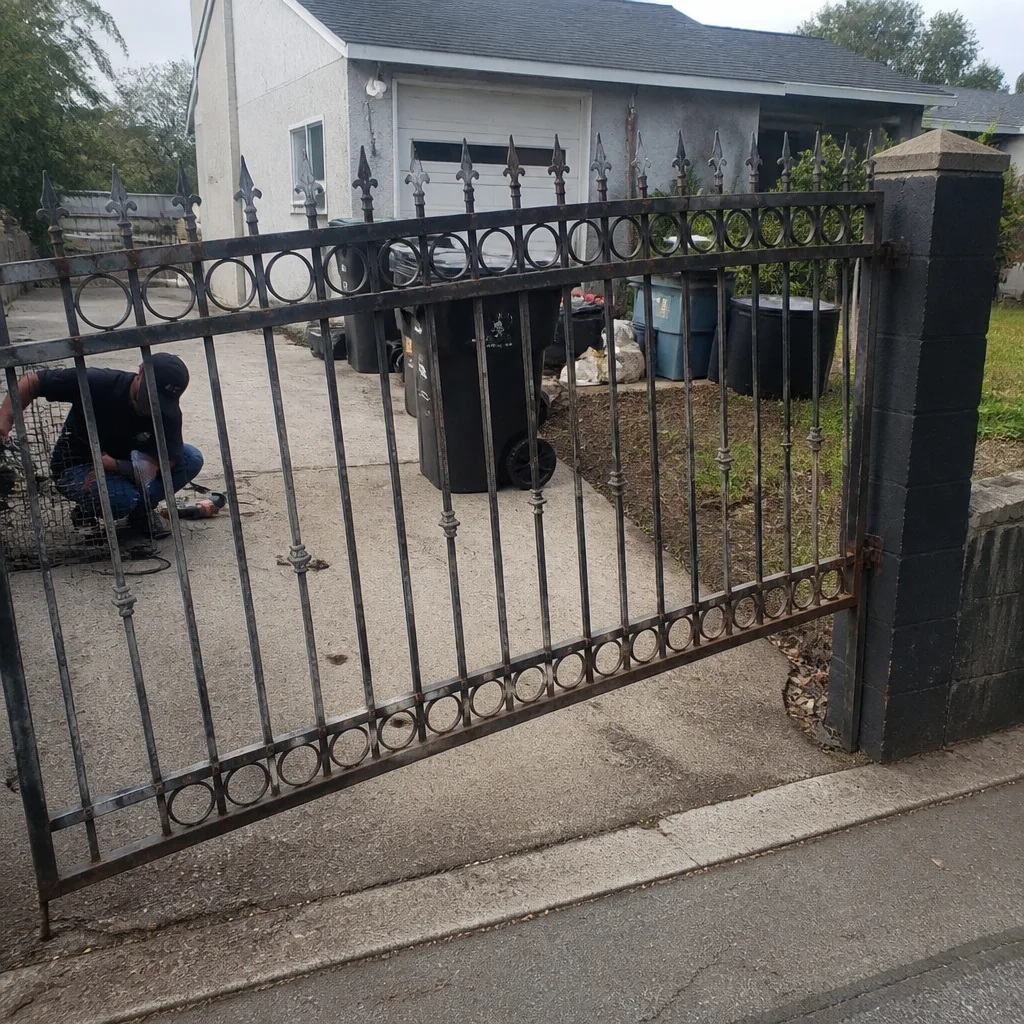 Before
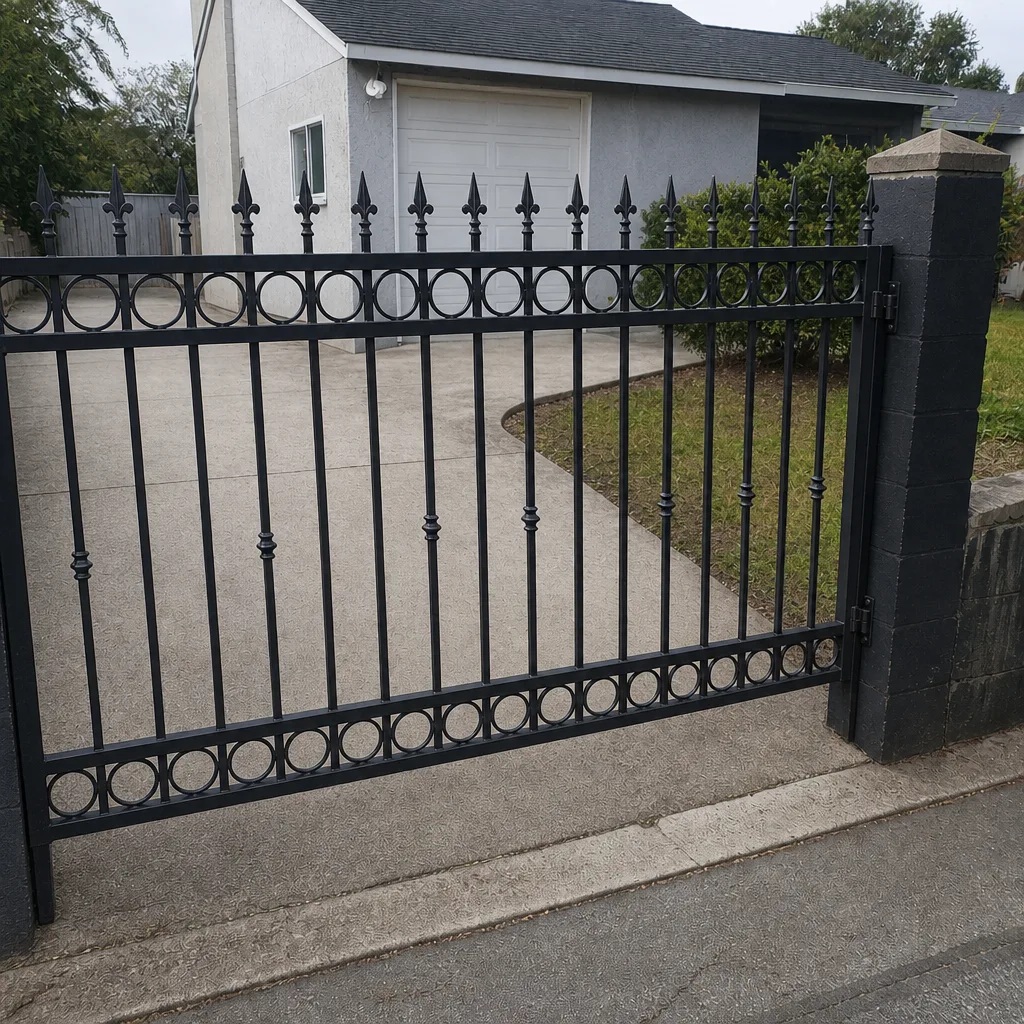 After
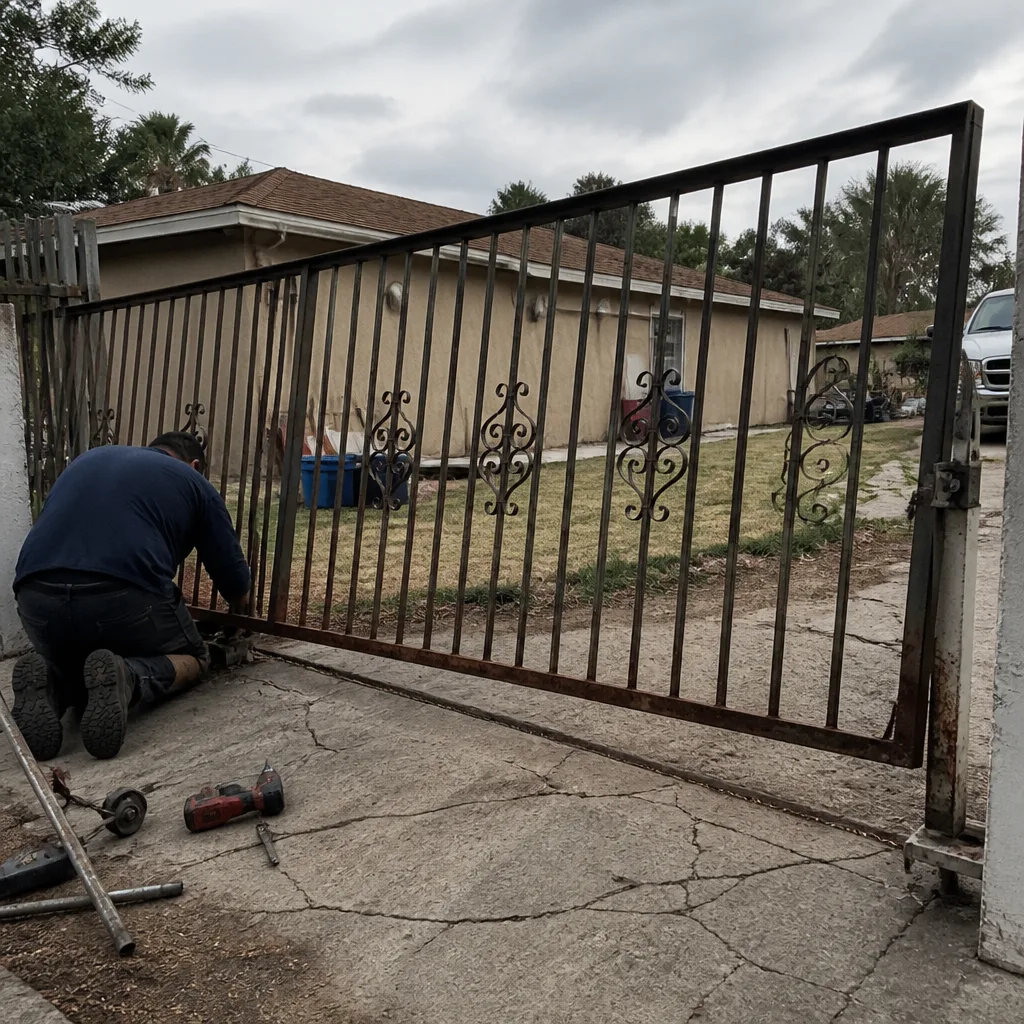 Before
 After
 Before
 After